
Why Design Matters More Than Ever
QR codes have become a part of everyday life. We scan them to visit websites, view restaurant menus, make payments, download apps, and access exclusive offers.
Yet many businesses still use plain black-and-white QR codes without considering how people react to them visually.
The truth is simple. Humans make decisions based on appearance before they think about functionality. A QR code may work perfectly, but if it looks boring or suspicious, people may ignore it.
This is where smart QR code design plays a crucial role.
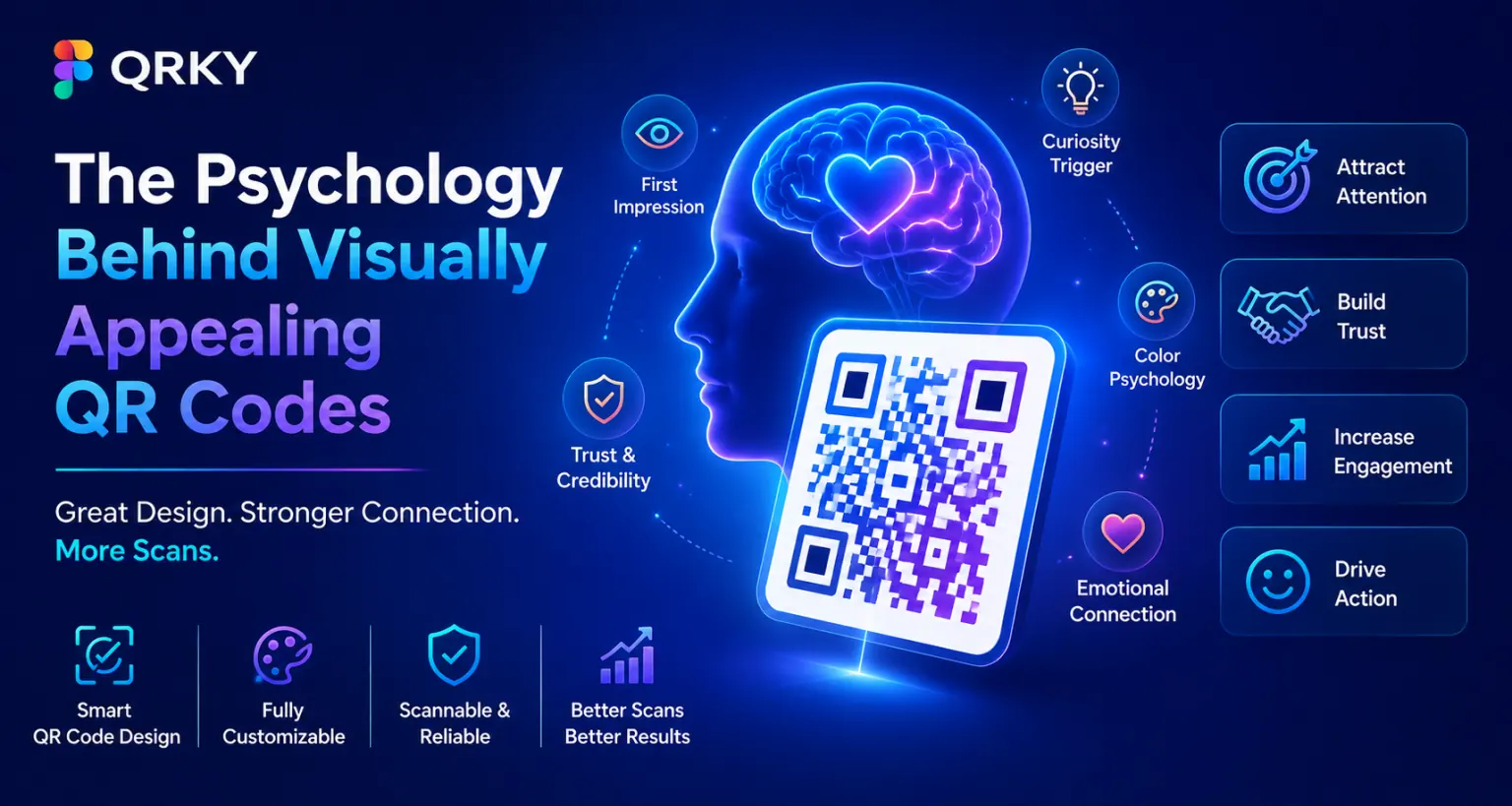
In this article, we’ll explore the psychology behind attractive QR codes, why visual appeal affects scan rates, and how businesses can create QR codes that encourage more engagement.
First Impressions Influence User Behavior
People process visual information incredibly fast. Research shows that users form opinions about visual elements within seconds.
When someone sees a QR code, they subconsciously ask themselves:
- Is this trustworthy?
- Is it safe to scan?
- What will I get after scanning?
- Does it look professional?
A generic QR code often blends into the background. On the other hand, a visually appealing QR code catches attention and creates curiosity.
This psychological effect is known as the “first impression bias.”
The better the first impression, the higher the chance of interaction.
The Role of Color Psychology
Colors trigger emotions and influence decision-making.
When used correctly, color can make QR codes more engaging and memorable.
For example:
Blue
Blue is associated with trust, security, and professionalism.
Financial institutions and technology companies often use blue-themed QR codes.
Green
Green represents growth, health, and sustainability.
It works well for eco-friendly brands and wellness businesses.
Red
Red creates urgency and excitement.
Retail stores often use red accents in promotional campaigns.
Orange and Yellow
These colors generate feelings of energy and optimism.
They can help QR codes stand out in crowded marketing materials.
By incorporating brand colors into your QR code design, you create familiarity and improve recognition.
The Curiosity Effect
Humans are naturally curious.
A plain QR code looks like a technical tool.
An artistic or branded QR code looks like an invitation.
When people encounter unique and attractive QR codes, they often wonder:
“What happens if I scan this?”
This curiosity becomes a powerful motivator.
Creative designs encourage exploration and increase scan rates without requiring additional advertising.
Visual Hierarchy Directs Attention
Visual hierarchy refers to arranging elements so viewers know where to look first.
Good marketers use visual hierarchy to guide user behavior.
A well-designed QR code can become the focal point of:
- Product packaging
- Flyers
- Business cards
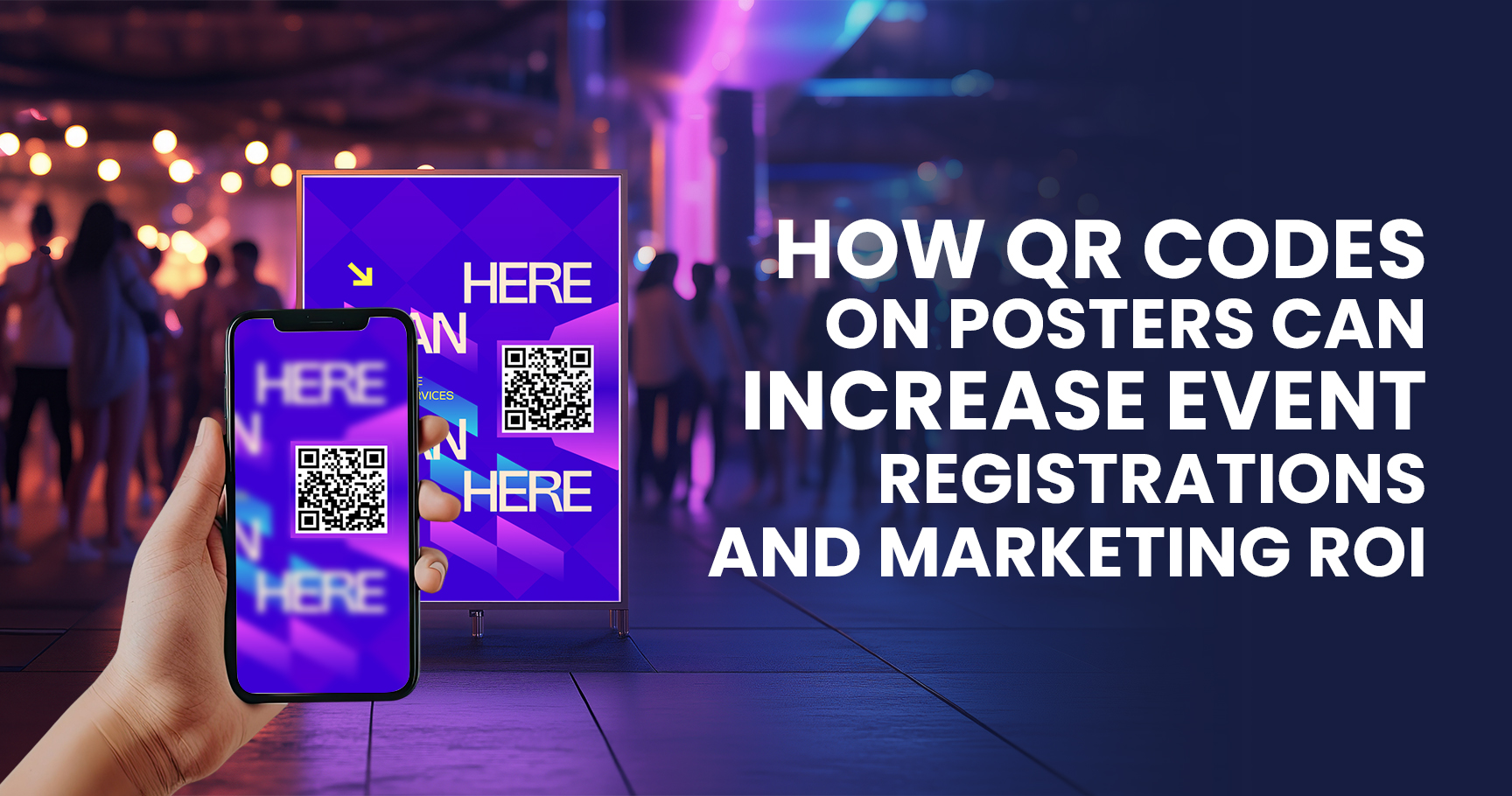
- Posters
- Event banners
- Restaurant menus
By using contrast, spacing, and branding elements, businesses can naturally direct attention toward the QR code.
The easier it is to notice, the more likely people are to scan it.
Brand Recognition Builds Trust
Trust is one of the strongest psychological triggers behind user actions.
People are more likely to engage with something familiar.
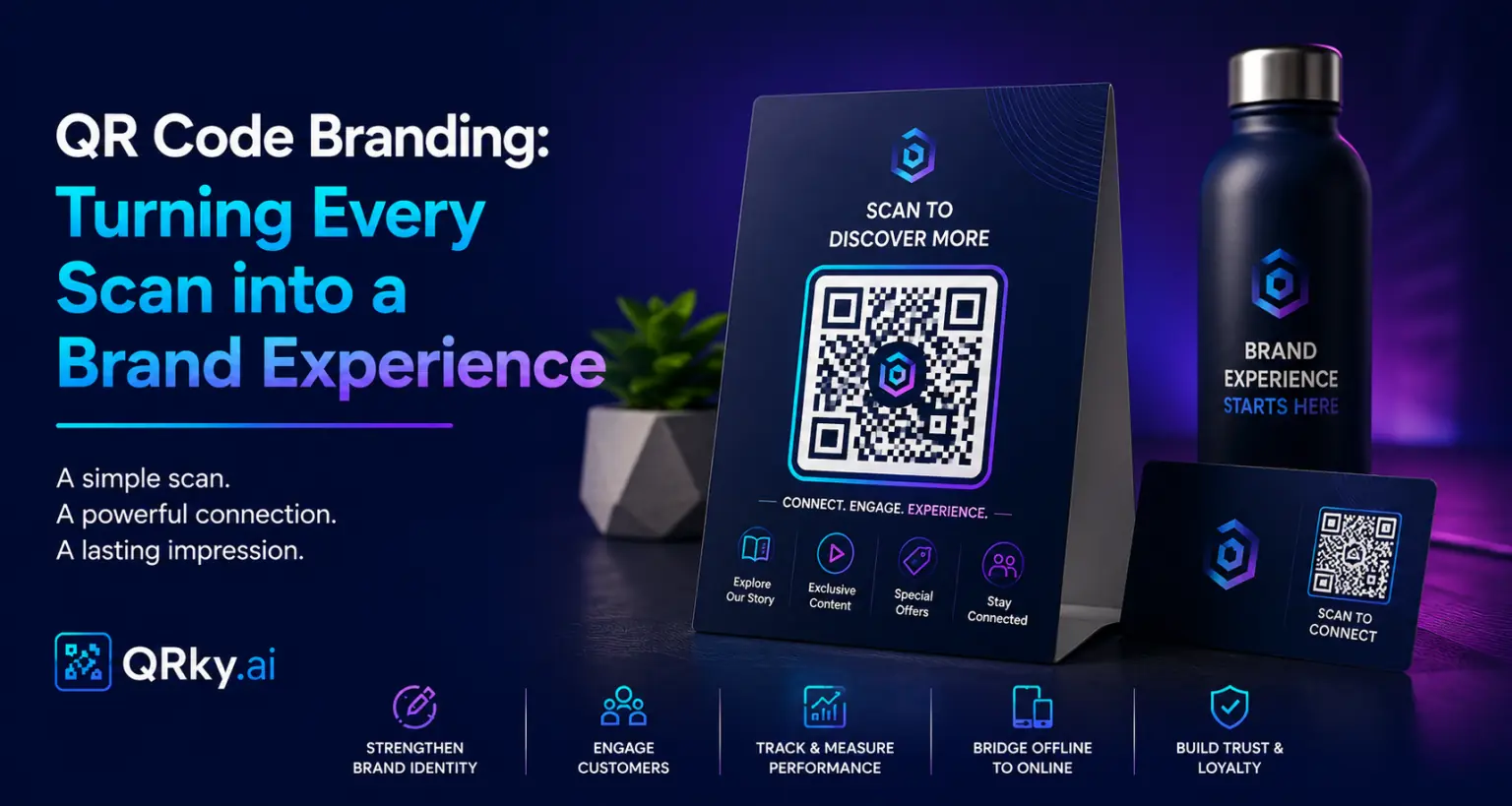
A QR code that incorporates a logo, brand colors, or visual identity instantly appears more credible.
Imagine seeing two QR codes:
- A plain black square
- A QR code featuring a recognizable company logo
Most users will feel safer scanning the branded version.
This is because familiarity reduces perceived risk.
Strong QR code design helps bridge the gap between curiosity and trust.
The Aesthetic-Usability Effect
One of the most fascinating psychological principles is called the Aesthetic-Usability Effect.
This principle suggests that people perceive attractive designs as easier to use, even when functionality remains the same.
In simple terms:
People assume beautiful things work better.
The same applies to QR codes.
When users encounter visually polished and attractive QR codes, they subconsciously believe the experience behind the scan will also be valuable.
This perception increases engagement and user confidence.
How Custom Shapes Improve Engagement
Traditional QR codes use square modules.
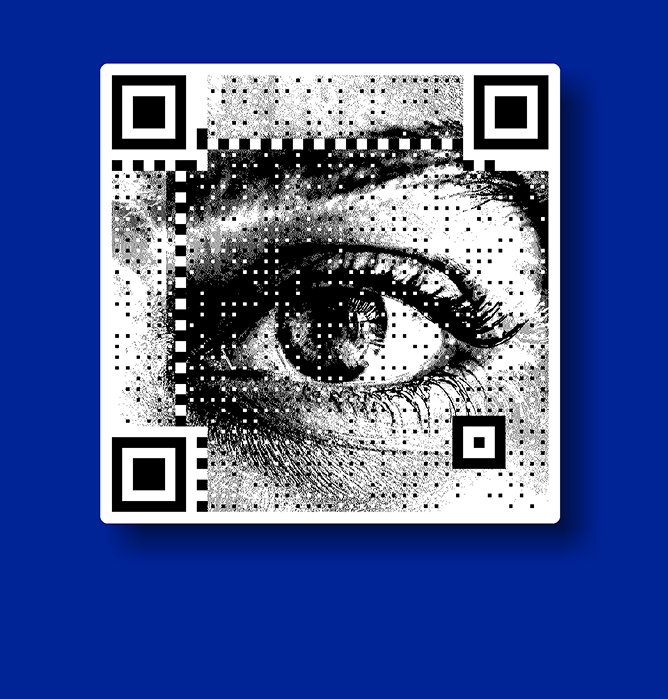
Modern QR code generators allow businesses to customize shapes, corners, and patterns.
These design enhancements make QR codes look more modern and less intimidating.
Custom shapes can:
- Increase visual appeal
- Improve memorability
- Match brand identity
- Encourage interaction
However, customization should always maintain scanability.
The best QR codes balance creativity with functionality.
Emotional Connection Through Design
People connect emotionally with visual experiences.
A thoughtfully designed QR code can evoke feelings such as:
- Trust
- Excitement
- Curiosity
- Professionalism
- Innovation
For example, a luxury brand may use elegant gold accents and minimalist styling.
A children’s brand may choose bright colors and playful shapes.
These visual cues create emotional associations that influence scanning behavior.
The Importance of Contrast
Contrast is essential for both psychology and usability.
A QR code should stand out from its background.
Poor contrast can make scanning difficult and reduce engagement.
High contrast improves:
- Visibility
- Readability
- User confidence
- Scan success rates
While creativity is important, readability should always remain a priority.
The best attractive QR codes are both visually appealing and easy to scan.
Social Proof and Perceived Popularity
People often follow the behavior of others.
This psychological principle is called social proof.
When businesses use professionally designed QR codes across marketing materials, customers perceive them as modern and trustworthy.
A branded QR code signals that the company invests in user experience.
This can positively influence how customers view the brand.
Over time, consistent use of visually appealing QR codes strengthens credibility and customer confidence.
Common QR Code Design Mistakes
Many businesses unintentionally reduce scan rates by making design errors.
Avoid these common mistakes:
Using Too Many Colors
Excessive colors can reduce readability.
Poor Contrast
Light QR codes on light backgrounds are difficult to scan.
Oversized Logos
Large logos may interfere with functionality.
Cluttered Layouts
Too many visual elements create confusion.
Ignoring Mobile Testing
Always test QR codes across multiple devices before publishing.
Good design should enhance usability, not compromise it.
Best Practices for Creating Attractive QR Codes
To maximize engagement, follow these guidelines:
- Use brand colors strategically
- Include your logo
- Maintain strong contrast
- Keep designs clean and simple
- Use dynamic QR codes when possible
- Test on multiple smartphones
- Ensure adequate white space around the code
- Match the design with your brand identity
These practices help create QR codes that attract attention while delivering a smooth user experience.
Conclusion
QR codes are no longer just functional tools. They have become an important part of brand communication and customer engagement.
The psychology behind successful QR codes is rooted in trust, curiosity, aesthetics, and familiarity.
By investing in thoughtful QR code design, businesses can create stronger first impressions, increase scan rates, and improve user engagement.
The most effective attractive QR codes combine creativity with usability. They capture attention, build confidence, and encourage action.
As QR code usage continues to grow, businesses that focus on design psychology will gain a significant advantage in capturing customer interest and driving conversions.
FAQs
AQs
1. Why is QR code design important?
QR code design influences how users perceive and interact with the code. A visually appealing QR code can attract attention, build trust, and encourage more scans.
2. Do attractive QR codes get more scans?
Yes. Attractive QR codes often generate higher engagement because they stand out visually and create curiosity among users.
3. Can I customize a QR code without affecting scanability?
Yes. Modern QR code generators allow customization of colors, logos, and shapes while maintaining functionality, provided design best practices are followed.
4. What colors work best for QR codes?
High-contrast color combinations work best. Dark QR codes on light backgrounds generally provide the most reliable scanning experience.
5. Should I add my logo to a QR code?
Adding a logo can improve brand recognition and trust. However, the logo should not cover too much of the QR code.