
In today’s competitive digital landscape, branding is no longer limited to logos, slogans, and advertisements. Modern consumers expect seamless interactions and personalized experiences at every touchpoint. This is where QR code branding is transforming the way businesses connect with their audiences.
A simple scan can now take customers on a journey—from discovering a product story and accessing exclusive content to joining loyalty programs and making purchases. When used strategically, a qr code for branding becomes more than a technology tool; it becomes an extension of your brand identity.
Let’s explore how businesses can turn every scan into a memorable brand experience and why QR codes have become an essential component of modern marketing strategies.
What Is QR Code Branding?
QR code branding refers to the practice of integrating customized QR codes into marketing and communication strategies to reinforce brand identity and enhance customer engagement.
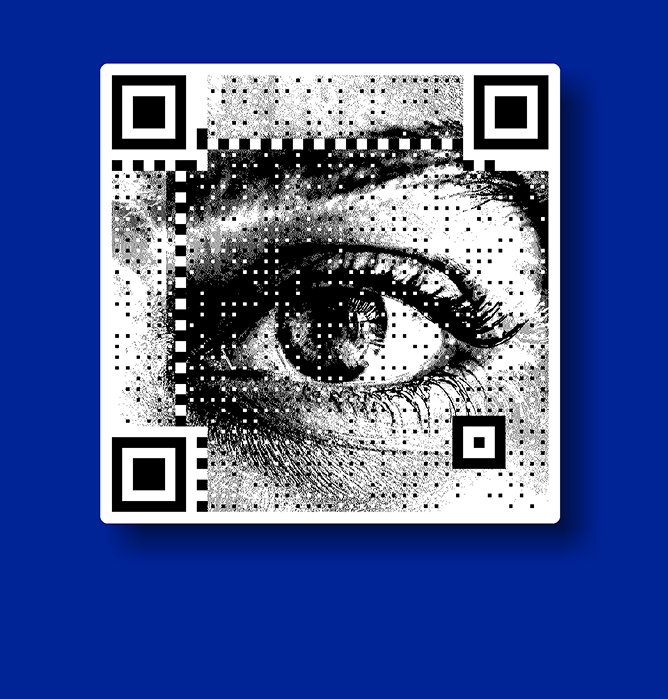
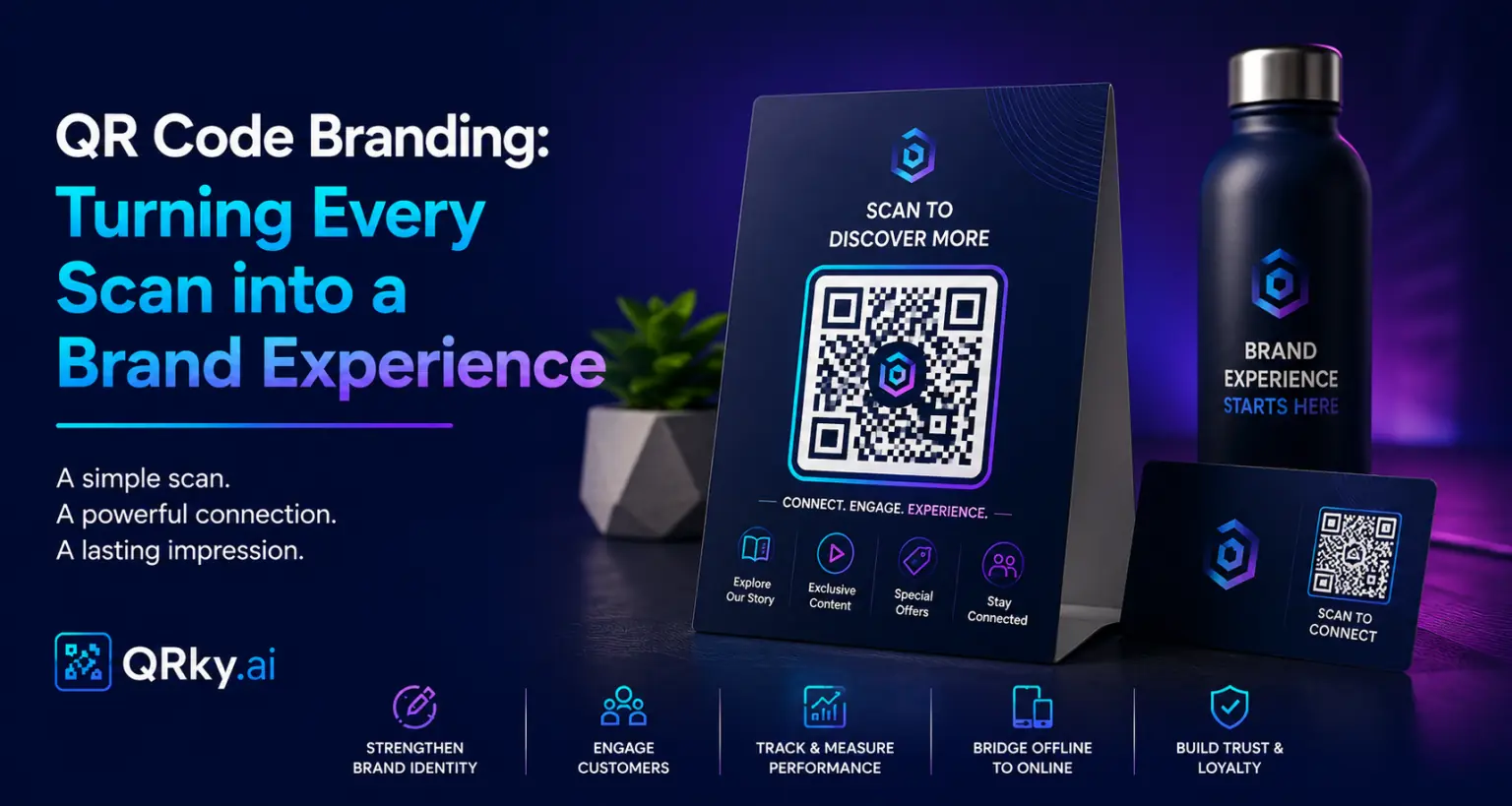
Unlike generic black-and-white QR codes, branded QR codes can incorporate company colors, logos, design elements, and custom landing pages. This creates a consistent visual identity that customers instantly recognize and trust.
When customers scan a branded QR code, they are not simply accessing information—they are engaging directly with your brand.
Why QR Codes Matter for Modern Branding
Consumer behavior has changed dramatically over the past few years. Customers want instant access to information without searching through websites or downloading multiple apps.
QR codes bridge the gap between physical and digital experiences by providing:
- Instant access to content
- Personalized customer journeys
- Interactive brand experiences
- Improved customer engagement
- Measurable marketing performance
A strategically placed qr code on branding material can transform a passive marketing asset into an interactive communication channel.
Whether printed on product packaging, business cards, brochures, banners, or storefront displays, QR codes make it easier for customers to engage with your brand in real time.
Turning Every Scan into a Brand Experience
1. Create Visually Branded QR Codes
The first step in effective QR code branding is customization.
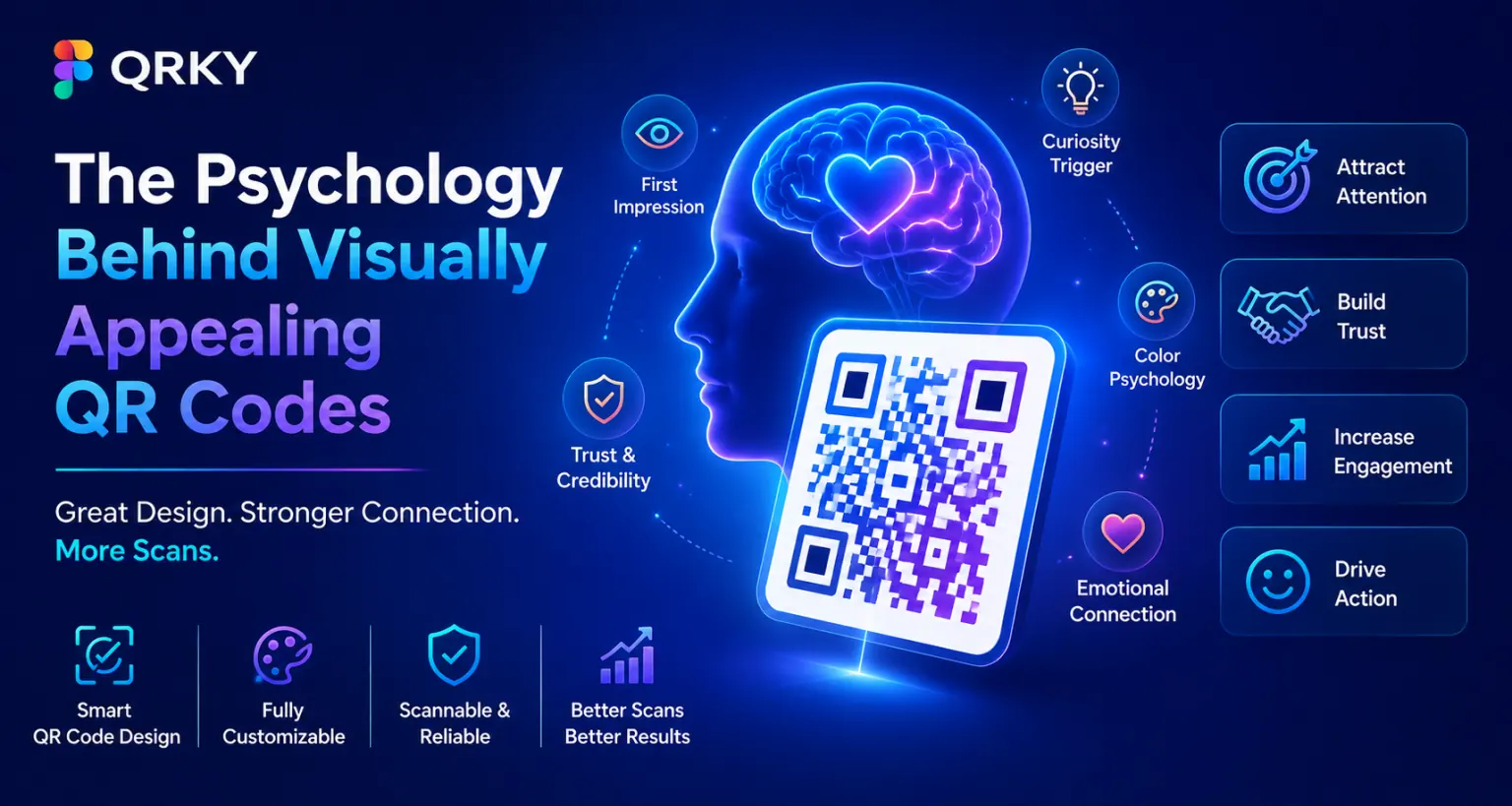
Generic QR codes often blend into the background and may not attract attention. By incorporating your brand colors, logo, and design style, you create a QR code that aligns with your visual identity.
A branded QR code can:
- Increase trust
- Improve scan rates
- Enhance brand recognition
- Create a professional appearance
When customers see a QR code that reflects your brand, they are more likely to interact with it.
2. Connect Users to Personalized Landing Pages
The scan experience shouldn’t end with the QR code itself.
The destination matters just as much.
Instead of directing users to your homepage, create dedicated landing pages tailored to specific campaigns. This ensures visitors receive relevant information and a seamless experience.
Examples include:
- Product information pages
- Promotional offers
- Event registration pages
- Customer feedback forms
- Loyalty program signups
- Social media profiles
A personalized destination helps reinforce your brand message and increases conversion opportunities.
3. Tell Your Brand Story
Modern consumers want to know the story behind the products they buy.
A qr code for branding can be used to share:
- Company history
- Founder stories
- Sustainability initiatives
- Manufacturing processes
- Customer success stories
Storytelling builds emotional connections and helps customers understand what makes your brand unique.
For example, a QR code on product packaging can lead customers to a video showcasing how the product was created or how the company supports environmental initiatives.
Best Places to Use QR Codes for Branding
Product Packaging
Packaging is one of the most effective branding tools available.
Adding a qr code on branding material such as product boxes, labels, or tags allows businesses to extend customer engagement beyond the purchase.
Customers can scan to access:
- Product tutorials
- User manuals
- Warranty registration
- Promotional offers
- Customer support
This creates a richer post-purchase experience and strengthens brand loyalty.
Business Cards
Traditional business cards often provide limited information.
By adding a QR code, professionals can instantly share:
- Contact information
- Portfolio links
- Social media profiles
- Appointment booking pages
This modern approach creates a lasting impression and encourages ongoing engagement.
Print Advertising
Magazines, newspapers, brochures, and flyers remain valuable marketing channels.
QR codes add a digital layer to these materials, allowing customers to:
- Watch videos
- Download resources
- Claim discounts
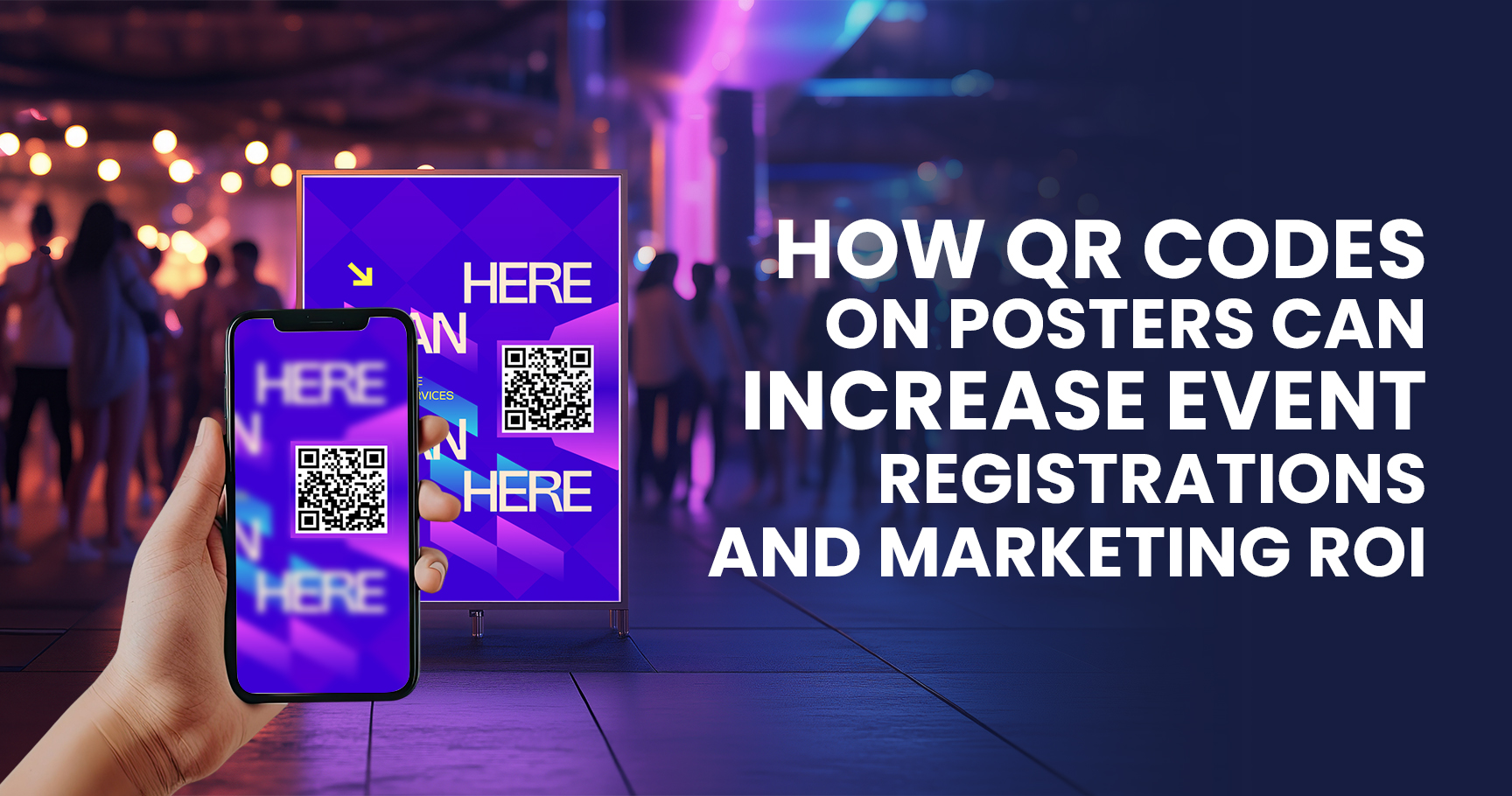
- Register for events
This transforms static advertisements into interactive experiences.
Event Marketing
Trade shows, conferences, and exhibitions offer excellent opportunities for QR code branding.
Attendees can scan QR codes to:
- Access schedules
- Download presentations
- Connect with sales representatives
- Participate in contests
The result is a more engaging and memorable event experience.
Using Dynamic QR Codes for Better Branding
One of the biggest advantages of modern QR code technology is the ability to use dynamic QR codes.
Unlike static QR codes, dynamic codes allow businesses to update destination URLs without changing the printed code.
Benefits include:
- Flexible campaign management
- Real-time content updates
- Better user experiences
- Detailed scan analytics
For branding campaigns, this flexibility ensures that marketing materials remain relevant even after distribution.
Businesses can update promotions, landing pages, and campaign messages while keeping the same QR code in circulation.
Measuring the Impact of QR Code Branding
Successful branding requires data-driven decision-making.
QR codes provide valuable insights into customer behavior, including:
- Number of scans
- Location of scans
- Device types
- Campaign performance
- User engagement metrics
These analytics help marketers understand what works and optimize future campaigns.
Instead of guessing customer preferences, brands can make informed decisions based on real interactions.
Common Mistakes to Avoid
While QR codes offer significant branding opportunities, there are some common mistakes businesses should avoid.
Using Generic Designs
A plain QR code may function correctly but often lacks visual appeal. Always customize your QR codes to match your brand identity.
Linking to Irrelevant Pages
Every scan should deliver value. Sending users to unrelated or outdated pages creates frustration and damages brand perception.
Ignoring Mobile Optimization
Most scans happen on smartphones. Ensure landing pages load quickly and provide a seamless mobile experience.
Poor Placement
A QR code should be clearly visible and easy to scan. Avoid placing codes in hard-to-reach locations or cluttered designs.
The Future of QR Code Branding
As technology continues to evolve, QR codes are becoming increasingly sophisticated.
Future applications may include:
- Augmented reality experiences
- AI-powered personalization
- Interactive product demonstrations
- Advanced customer loyalty programs
- Seamless omnichannel marketing
Brands that adopt innovative QR code strategies today will be better positioned to meet evolving consumer expectations tomorrow.
Conclusion
QR codes have evolved far beyond their original purpose of simply linking users to websites. Today, they serve as powerful branding tools that connect physical and digital experiences in meaningful ways.
A well-designed qr code for branding can increase customer engagement, strengthen brand recognition, and create memorable interactions at every touchpoint. Whether placed on packaging, business cards, advertisements, or other qr code on branding material, every scan becomes an opportunity to tell your story, build trust, and drive business growth.
For businesses looking to stand out in an increasingly digital world, QR code branding is no longer optional—it’s a strategic advantage that turns every customer interaction into a branded experience.
FAQs
1. What is QR code branding?
QR code branding is the process of customizing QR codes with brand elements such as logos, colors, and design styles to create a consistent brand experience and increase customer engagement.
2. How can branded QR codes improve customer engagement?
Branded QR codes make interactions more appealing and trustworthy, encouraging users to scan and access personalized content, promotions, product information, loyalty programs, and other brand experiences.
3. Where can businesses use QR codes for branding?
Businesses can use QR codes on product packaging, business cards, brochures, flyers, print advertisements, event materials, storefront displays, and promotional merchandise.
4. What is the difference between static and dynamic QR codes?
Static QR codes have fixed information that cannot be changed after creation, while dynamic QR codes allow businesses to update destination URLs, track scan analytics, and modify campaigns without reprinting the code.
5. Why are QR codes important for modern marketing strategies?
QR codes bridge the gap between physical and digital marketing, providing instant access to content, measurable customer interactions, improved engagement, and seamless omnichannel brand experiences.