
The dining industry is based on experience, and the learning process begins before the moment a fork is taken away. From the moment a patron arrives, sits down, or walks by, they’re making impressions.
Restaurants using QR code for restaurants solutions have advanced far beyond the digital menu replacement. It’s now a fully developed, operational, and user-experience layer that reduces staff pressure, boosts orders, and provides restaurants with information they’ve never had before.
Here are 10 methods currently being used to accomplish exactly what they’re supposed to.
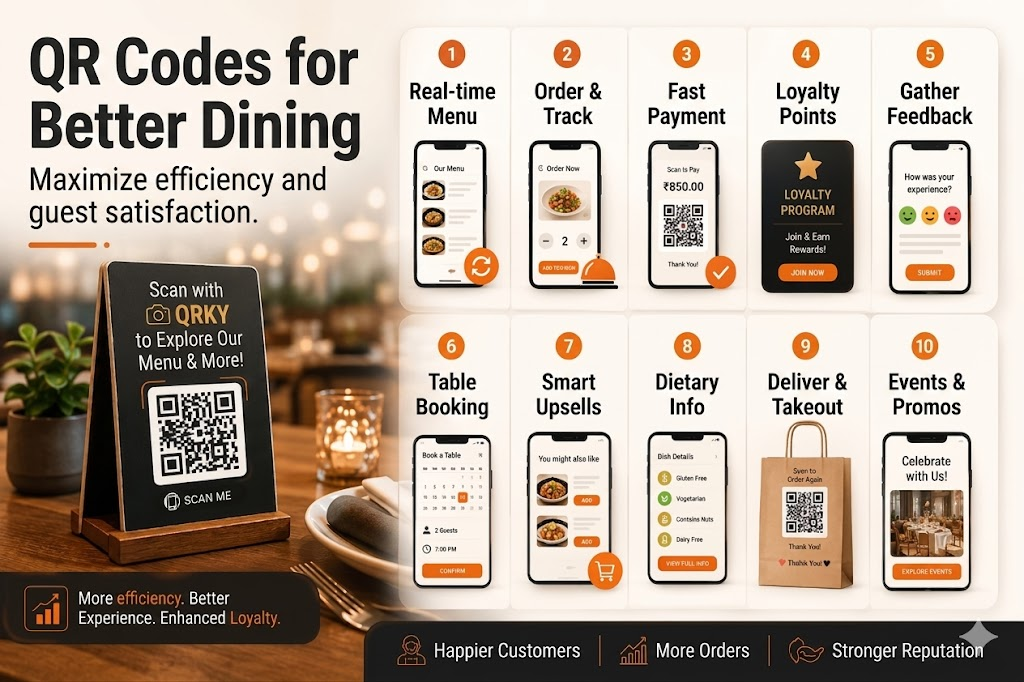
1. Digital Menus That Update in Real Time
Menus printed on paper are costly, inflexible, and outdated when you change prices or run out of food. Menus with QR codes connect to a live QR code menu that can be updated quickly, including seasonal specials, price changes, items that are sold out, and allergen updates, without reprinting costs. The guests receive precise information every time, while restaurants save significant printing costs throughout the year.
2. Table-Side Ordering Without the Wait
One of the main reasons for guest discontent is the wait time to place an order. A QR code placed at each restaurant table that connects directly to an ordering platform eliminates the hassle. Customers place orders when they are ready, not just when the server is available. Orders are sent directly to either the kitchen or the POS system, reducing errors and speeding up turnaround time, resulting in more customers per service.
3. Contactless Payment at the Table
The time for payment is typically the most stressful portion of a dining experience. QR codes linked to payment gateways enable customers to split the bill, pay for each meal, and leave tips on the table without waiting for a credit card machine to be delivered. This is faster for guests and allows staff to focus on customer service instead of processing payments.
4. Loyalty Program Enrolment
Renewing a customer is less expensive than acquiring a new one. The QR codes on tablecards or receipts, as well as takeaway bags that link straight to the loyalty program sign-up, eliminate the hassle of long forms at the counter. The guests scan and sign up in a matter of seconds, and the restaurant gets a contactable, trackable customer on every subsequent visit.
5. Feedback Collection at the Right Moment
The majority of feedback forms are sent via email after a few hours of the event — after the memories are gone. A QR code placed on the counter or on a bill will prompt feedback when people are most engaged. Feedback is more specific and attainable, and much more likely to be completed. For the operations team, this is significantly more beneficial than retrospective survey data.
6. Table Reservations and Waitlist Management
A QR code placed at the entrance or on the takeaway packaging, linked to a reservation system, enables walk-ins to be added to waiting lists or to make a subsequent reservation without speaking with the host. This keeps the entrance open when it’s busy and also catches people who might otherwise leave without committing to return.
7. Upselling Through Interactive Menus
A well-constructed QR code menu goes beyond listing items; it also provides guidance for the order experience. Top-quality images, chef’s recommendations, and pairing suggestions (wine alongside the main dish or as an add-on) are easier to show digitally than on printed cards. Restaurants have consistently reported higher average order values after switching to interactive digital menus.
8. Allergen and Dietary Information on Demand
Allergen queries consume significant server resources during busy times. A QR code that links to an extensive allergy and dietary information page, which can be filtered by ingredient, cuisine type, or food preferences, can handle these inquiries without having to drag staff members from the ground. This also reduces the risk of misunderstandings during a chaotic service.
9. Takeaway and Delivery Brand Experience
The primary physical point of contact for an order for delivery is the packaging. A QR code for restaurants printed on takeaway containers or bags can link to a feedback form, a loyalty enrolment site, or an offer for the next purchase. This extends the brand’s interaction beyond the meal and provides a direct link to the customer at the cost of a single order.
10. Event and Private Dining Promotion
Restaurants that offer private dining, tasting menus, or themed events don’t have a method to advertise them on-site. The QR codes on table menus or cards can link to an events page, a booking form, or even a video of the dining experience. It’s an organic channel for promotion that is targeted at the people who are most likely to become interested, existing customers who already have a place within the industry.
Why This Matters for Every Type of Restaurant
No matter if you operate a local bistro or a multi-location chain, the pressures on your operations are similar: staff costs are rising, customer expectations are increasing, and the margin for error in delivery is slim. QR codes can’t substitute for hospitality. They safeguard the attention and time of the staff members who deliver it, allowing them to concentrate on what actually generates loyalty.
Restaurants that are making the most of this technology are those that use every touchpoint of a QR code for restaurants as an experience designed for the user, rather than a business necessity. If the code leads to something really valuable, such as an experience that is enjoyable and enticing, a loyalty program that rewards, the feedback form is monitored in the spot -the code gains the trust of the customer. The restaurant gains the data needed to improve its service.
QRKY allows you to create dynamic, custom-branded QR codes that seamlessly integrate into your QR code menu, signage, and packaging. There is no technical setup. No watermarks. Start for free at qrky.ai and create QR touchpoints that guests actually utilize.
FAQs:
1. How can QRKY help restaurants improve customer experience?
QRKY helps restaurants create attractive QR experiences for menus, payments, loyalty programs, feedback forms, and offers. Since the QR codes can be visually customized, they blend naturally with restaurant branding while making interactions faster, more engaging, and more convenient for customers.
2. Can QRKY QR codes be used for digital menus?
Yes. Restaurants can use QRKY to create branded QR menus that customers can scan instantly from tables, packaging, or displays. This reduces physical menu handling, simplifies updates, and provides a smoother dining experience while maintaining a visually appealing brand presentation.
3. Are QRKY QR codes useful for food delivery packaging?
Absolutely. Restaurants can place QR codes on takeaway boxes and delivery packaging to encourage repeat orders, collect reviews, promote discounts, or share social media pages. Creative QR designs also make the packaging feel more modern and interactive for customers.
4. Can QRKY support restaurant marketing campaigns?
Yes. Restaurants can use QRKY QR codes in posters, social media creatives, loyalty campaigns, and event promotions. Creative QR designs help restaurants attract attention more effectively and encourage customers to engage with offers, reservations, special menus, or seasonal promotions.
5. Why should restaurants choose creative QR codes over standard ones?
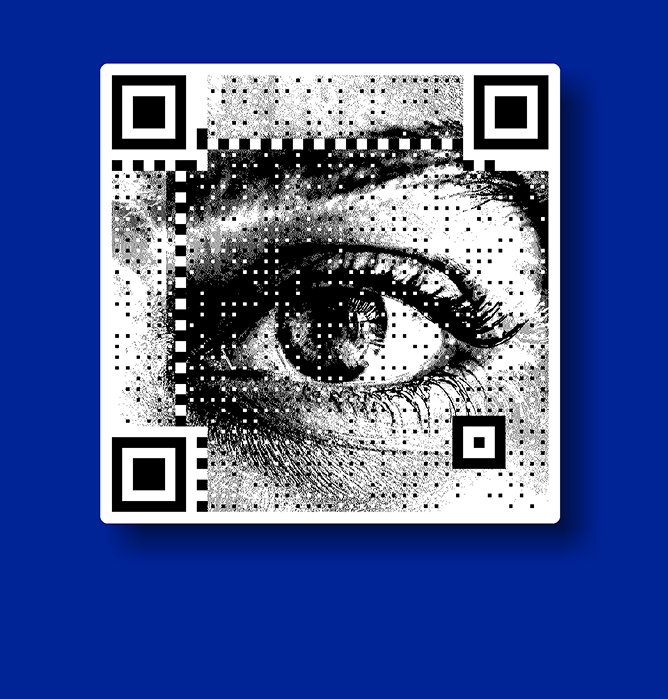
Creative QR codes look more attractive and feel more aligned with restaurant branding. QRKY helps restaurants avoid generic-looking QR designs by turning visuals into interactive QR experiences, which can improve customer engagement and make promotions feel more premium and memorable.