
A QR code can do much more than send someone to a website. When used thoughtfully, it can connect a printed advertisement, product package, event display, or physical experience with a digital action.
That makes QR codes useful across campaigns where brands need to bridge offline attention with online engagement. The same code can reveal a product video, collect feedback, unlock an offer, share an event schedule, or lead customers to a digital experience.
The challenge is making the scan feel worthwhile. A creative QR code should fit the campaign visually while giving people a clear reason to use it. Here are practical creative QR code ideas businesses can adapt across marketing, packaging, events, and print.
What Makes a QR Code Creative?
A creative QR code is not simply a standard code with unusual colors. It considers how the code fits into the surrounding campaign and what happens after someone scans it.
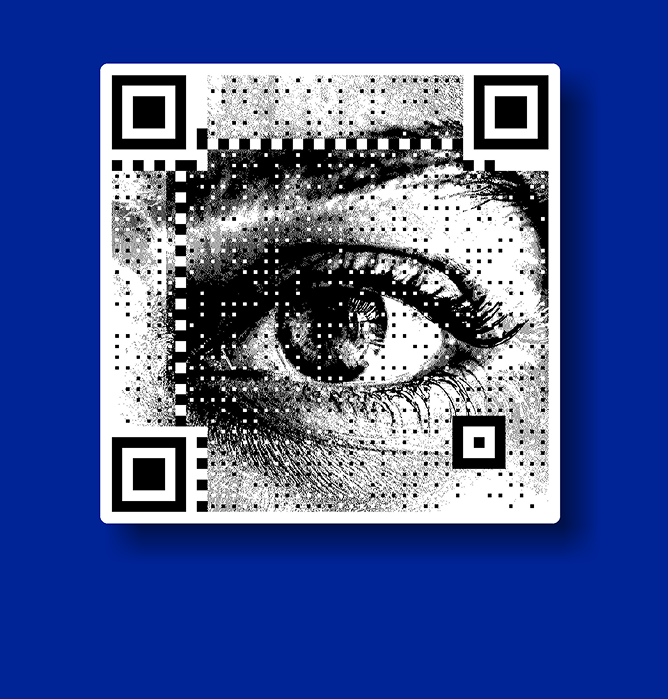
Design can involve brand colors, logos, frames, patterns, shapes, artistic treatments, or other visual elements. The destination can also be part of the creative concept, particularly when a campaign connects a physical asset with interactive digital content.
The best creative QR codes therefore combine three things: a distinctive appearance, reliable scanning, and a useful digital destination.
Creative QR Code Ideas for Marketing Campaigns
Marketing campaigns often depend on getting people to take the next step. A QR code can make that transition immediate when the physical and digital experiences are planned together.
1. Turn Print Ads Into Interactive Campaigns
A magazine advertisement or printed poster has limited space. Instead of trying to fit every detail into the design, use a QR code to take interested readers to the complete digital experience.
The scan could lead to a product collection, campaign video, detailed offer, landing page, or interactive content.
A fashion brand, for example, could use a creative QR code in a print campaign to take readers directly to the featured collection.
2. Create Scan-to-Unlock Offers
Discounts and promotional offers give customers a clear reason to scan. A QR code can reveal a limited-time coupon, special price, free delivery offer, or exclusive promotion.
Keep the call-to-action specific. “Scan to unlock 15% off” gives the customer a stronger reason to act than simply saying “Scan here.”
3. Connect Offline Campaigns to Social Content
A printed campaign can lead customers to digital content without requiring them to search for the brand manually.
The QR code could open a campaign page containing videos, social content, behind-the-scenes material, or user-generated content. This gives the physical advertisement a longer life beyond the moment someone sees it.
Creative QR Code Ideas for Product Packaging
Packaging already sits directly in front of customers, making it one of the most useful places for QR-based experiences. The key is offering something that adds value beyond what the package already communicates.
4. Add Product Tutorials
A product package can only provide so much information. A QR code can connect customers to a demonstration video, setup guide, care instructions, or detailed product tutorial.
This works particularly well for products where customers benefit from seeing how something is assembled, used, prepared, or maintained.
5. Tell the Product Story
Brands can use packaging QR codes to provide additional information about ingredients, materials, sourcing, production, or the people behind a product.
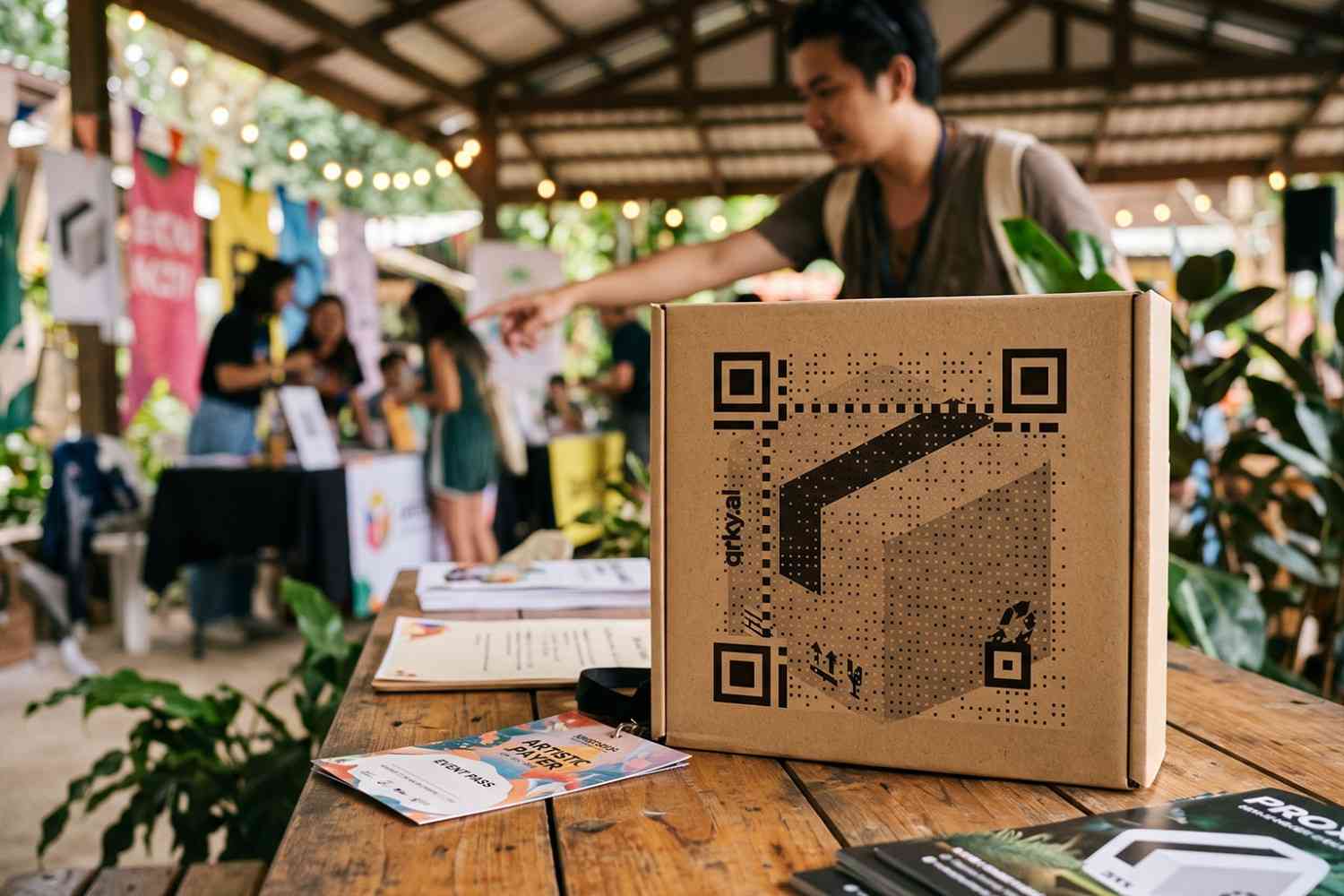
A creative design can make the QR code feel like part of the package while the scan reveals the deeper story behind what the customer has purchased.
6. Encourage Reorders
Packaging can continue working after the initial purchase. A QR code can direct customers to a reorder page, subscription option, product collection, or online store.
This is particularly useful for products that customers purchase repeatedly. Instead of searching for the brand again, the customer can scan the package they already have.
7. Collect Product Feedback
A QR code can also connect the physical product to a feedback form. Customers can share reviews, report issues, or answer a short survey while the purchase is still fresh in their minds.
Keep the form short and make the purpose clear. Asking customers to complete a lengthy questionnaire can quickly turn a convenient scan into an unwanted task.
Creative QR Code Ideas for Events
Events create plenty of physical touchpoints where attendees need information. QR codes can make those touchpoints more useful without covering every surface with printed text.
8. Create a Digital Event Guide
An event poster, invitation, or welcome display can include a QR code leading to a digital guide.
The page could contain schedules, speaker profiles, venue information, maps, session details, or frequently asked questions. This reduces the amount of information that needs to appear on the physical material.
9. Use QR Codes for Event Check-In
A QR code can make registration more efficient when attendees already have digital tickets or confirmation details.
The code can lead to a check-in page or registration system, helping event teams reduce manual processes at the entrance.
10. Make Event Displays Interactive
Large displays can attract attention, but they do not always give people something to do next. A creative QR code can connect a display with polls, competitions, exclusive content, product demonstrations, or additional information.
This works particularly well for trade shows where brands need to turn passing attention into a measurable interaction.
11. Create Post-Event Experiences
The event does not have to end when attendees leave the venue. A QR code on event materials can lead to presentation slides, recordings, photo galleries, feedback forms, or follow-up resources.
This gives printed materials a useful role after the event rather than making them disposable once the doors close.
Creative QR Code Ideas for Print Campaigns
Printed materials remain useful across direct mail, brochures, flyers, catalogs, posters, and promotional cards. QR codes give these formats a direct connection to digital content.
12. Bring Catalogs to Life
A product catalog can use QR codes to connect individual products with videos, demonstrations, detailed specifications, or online purchasing pages.
This lets the printed catalog remain visually clean while giving interested readers access to more information.
13. Add QR Codes to Direct Mail
Direct mail can become more interactive when recipients have an obvious digital next step. A QR code can lead to a personalized offer, appointment page, campaign landing page, or promotional video.
Use the code alongside a clear call-to-action so recipients understand what they will receive after scanning.
14. Connect Posters to Live Information
Posters are static, but the information behind them does not have to be. A QR code can lead to a page containing current schedules, availability, registration details, or event updates.
This becomes especially useful when the poster remains in place for several weeks.
15. Add Digital Content to Business Brochures
A brochure can introduce a business without attempting to explain everything. QR codes can lead readers to case studies, demonstrations, testimonials, detailed service pages, or contact forms.
This creates a natural progression from physical introduction to digital research.
Creative QR Code Ideas for Retail
Retail environments give businesses multiple opportunities to connect products and physical displays with online experiences.
Product Information
Place a QR code beside a product to provide specifications, care instructions, sizing information, or additional photographs.
Customer Reviews
A QR code can direct shoppers to verified reviews or customer feedback, helping them research a product while standing in the store.
Digital Loyalty Programs
Instead of asking customers to search for a loyalty program online, a QR code can provide a direct route to registration or account access.
Product Availability
Retail displays can connect shoppers with current online inventory, alternative sizes, colors, or nearby store availability.
The destination should always answer a question the customer is likely to have at that point in the buying journey.
How to Create a Creative QR Code
Creative QR design should start with the campaign rather than the visual effect. The code needs to support what the business wants customers to do after scanning.
Step 1: Define the Campaign Goal
Decide whether the scan should drive a purchase, provide information, collect feedback, generate leads, share content, or support another action.
Step 2: Choose the Destination
Select the page or digital experience that supports that goal. Keep the destination mobile-friendly and make the intended next action obvious.
Step 3: Choose a Creative QR Code Generator
Look for a generator that provides customization options such as colors, logos, frames, or other visual treatments. If the campaign is likely to change, consider a dynamic QR setup so the destination can be updated without replacing printed materials.
Step 4: Match the Design to the Campaign
Use brand colors, campaign imagery, or a suitable visual treatment. The QR code should feel connected to the surrounding material rather than appearing as a separate graphic.
Step 5: Add a Clear Call-to-Action
Tell people what they will get from scanning. Examples include:
- Scan to see the collection
- Scan to unlock your offer
- Scan to watch the tutorial
- Scan for the event schedule
- Scan to save the contact
A specific action gives the QR code context and sets expectations.
Step 6: Test Before Launch
Scan the code using multiple devices and test the complete destination. If the code will be printed, test the final physical version at its intended size.
This is particularly important for creative QR designs because colors, textures, artwork, and unusual shapes can affect readability.
How Dynamic QR Codes Make Creative Campaigns More Flexible
A creative QR code can remain printed while the digital experience behind it changes. This is where dynamic QR functionality becomes useful.
A retailer could update a campaign from one seasonal promotion to another without replacing every poster. An event organizer could change a registration page into a live schedule after the event begins.
The physical creative stays the same while the destination evolves. This can make long-running campaigns easier to manage and reduce unnecessary reprinting.
Common Creative QR Code Mistakes
Creative design should never make the QR code harder to use. Excessive styling, weak contrast, busy backgrounds, and insufficient size can all create scanning problems.
Another mistake is giving customers no reason to scan. A visually interesting code still needs a useful destination and clear call-to-action.
Businesses should also avoid linking every QR code to the homepage. The destination should relate directly to the physical material and the customer’s likely intent.
Finally, test the code after printing. A design that scans on a large monitor is not automatically guaranteed to work on a small package, glossy brochure, outdoor poster, or textured card.
Wrapping Up: Give Every QR Code a Purpose
Creative QR codes can turn ordinary physical materials into useful digital touchpoints across marketing campaigns, packaging, events, retail, and print. The strongest ideas do not use creativity for decoration alone. They give customers a clear reason to scan and a useful experience afterward.
Start with the campaign goal, build the design around your brand, and test before launch. QRKY’s creative QR code generator helps businesses bring customized QR experiences to physical campaigns while keeping the digital connection flexible.
Frequently Asked Questions
Can I use one creative QR code across different marketing materials?
Yes, if every material needs to lead to the same destination. However, separate dynamic QR codes can be more useful when you want to compare campaign performance across packaging, posters, direct mail, or retail displays without changing the overall creative concept.
Should every creative QR code have a call-to-action?
A call-to-action is strongly recommended because it explains what customers gain from scanning. Wording should match the destination, such as “Scan to watch,” “Scan for details,” or “Scan to unlock.” Clear expectations can make the interaction feel more purposeful.
Can creative QR codes be used in digital advertisements?
Yes. QR codes can appear in digital advertisements, although their usefulness depends on where the advertisement is displayed. A code shown on a desktop or connected TV may be easier to scan than one displayed briefly on a smartphone screen.
How can businesses compare QR code performance across campaigns?
Use separate trackable QR codes or distinct dynamic QR destinations for each campaign, placement, or material. This can help identify which touchpoints generate more scans. Comparing results by location, timing, and campaign type can provide useful performance insights.
Can a QR code lead to a personalized customer experience?
Yes, depending on the platform and campaign setup. Different QR codes can lead to different landing pages, offers, or experiences for specific campaigns. Personalization should remain useful and transparent, with destinations designed around the customer’s context and reason for scanning.