
A QR code usually has one job: connect a physical touchpoint to digital content. AI art QR codes give that familiar square a more creative role by combining scannable functionality with artwork and visual storytelling.
For businesses, this creates new possibilities across packaging, posters, events, menus, retail displays, and campaigns. The code becomes part of the design rather than something added beside it.
The important part is balance. An AI-generated QR code still needs to scan reliably while fitting the brand and campaign. This guide explains how they work, where businesses can use them, and how to create them without sacrificing usability.
What Is an AI Art QR Code?
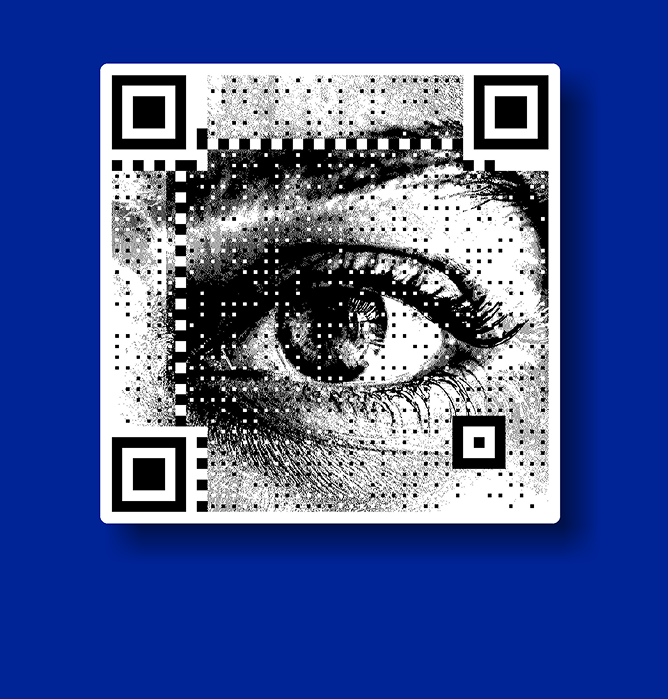
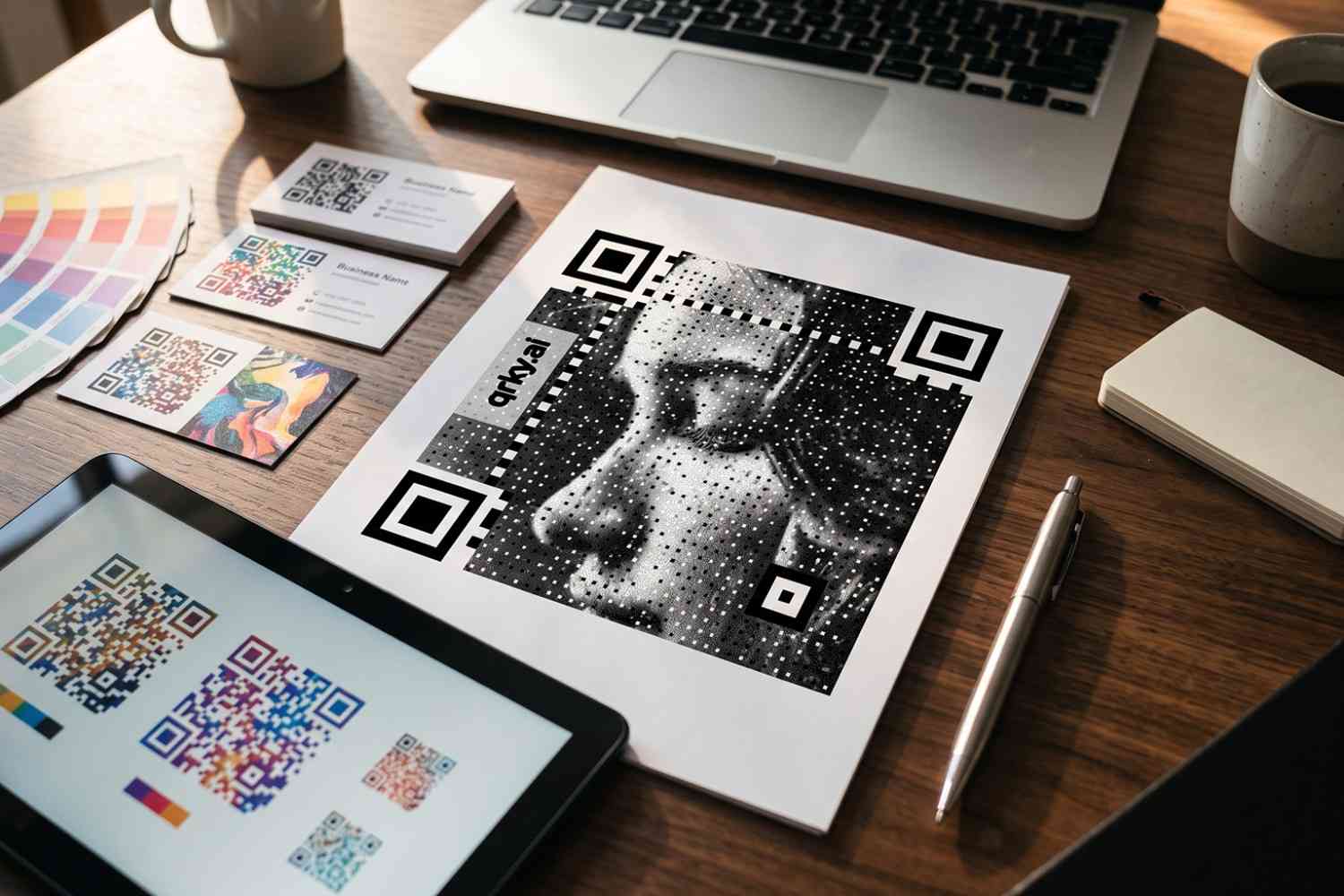
An AI art QR code combines a conventional QR code with AI-generated visual elements. The artwork can influence the surrounding composition, colors, textures, or imagery while preserving enough of the underlying QR structure for scanners to recognize it.
Unlike a plain QR code, an AI art QR code can become part of the creative concept. A travel company might build a destination-inspired scene around its code, while a fashion brand could incorporate campaign imagery.
The code still leads to a digital destination, but its visual treatment connects it more closely to the campaign.
How Do AI Art QR Codes Work?
A conventional QR code uses a structured pattern that scanners recognize. AI art QR generation adds visual styling while attempting to preserve the characteristics needed for scanning.
The process usually starts with a destination URL. The generator then combines the QR structure with an artistic treatment, image, or visual concept. Because techniques vary, businesses should always test the finished design before publishing or printing it.
Why Businesses Are Exploring AI Art QR Codes
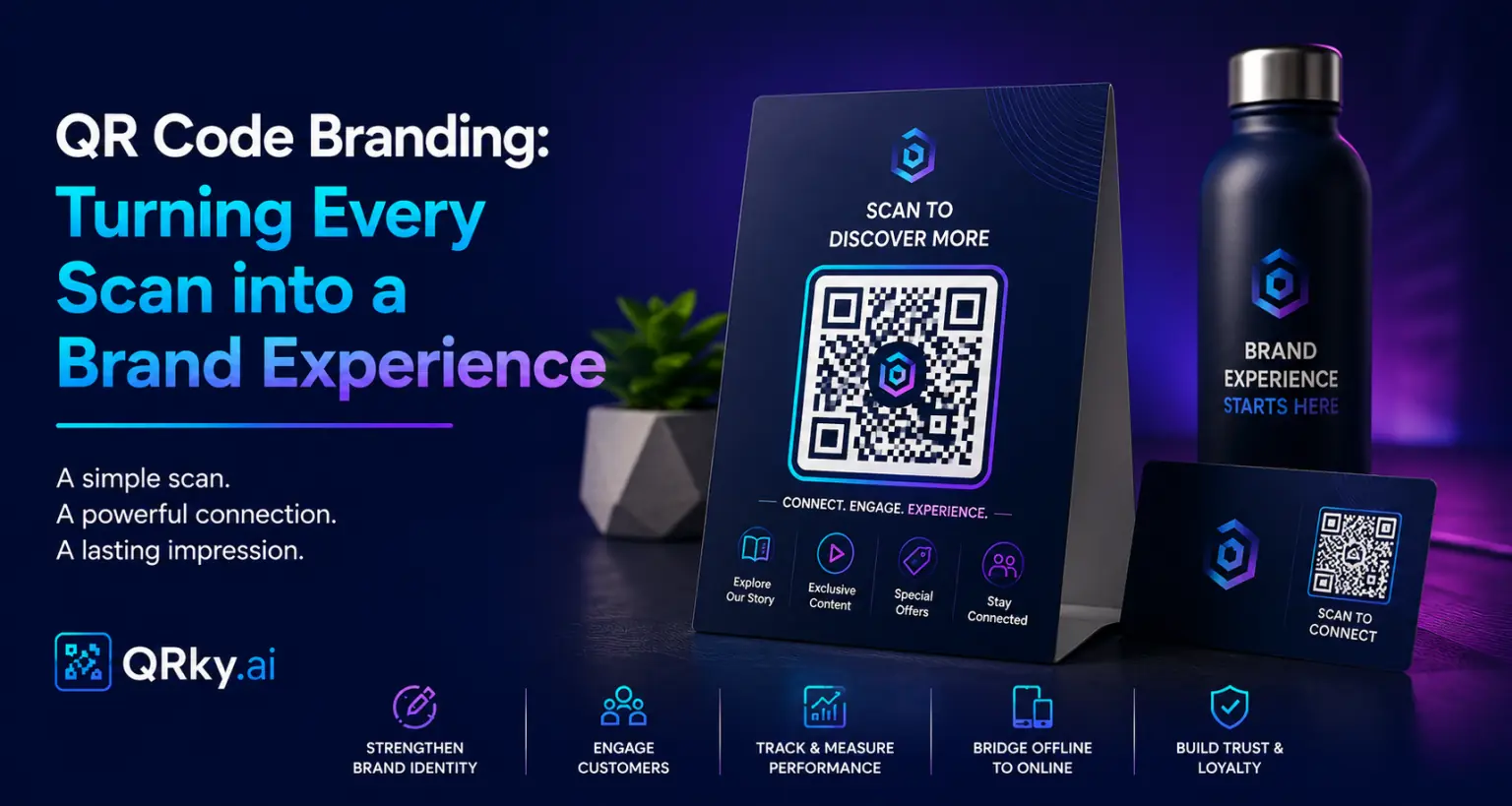
A QR code does not need to disappear into the background. When it becomes part of a campaign’s creative direction, it can attract attention while providing a direct route to digital content.
Businesses may consider AI art QR codes for several practical reasons:
- Greater visual distinction: Creative treatments can help a code stand apart from standard black-and-white designs.
- Stronger campaign consistency: Artwork can echo imagery used across advertisements, packaging, or social media.
- Better brand integration: A creative QR code can feel like part of the campaign rather than an afterthought.
- Theme-led communication: AI-generated visuals can adapt the code to products, destinations, launches, or events.
- Curiosity: An unusual visual treatment can give people a reason to examine the code more closely.
AI Art QR Codes vs Standard QR Codes
Both formats can direct users to webpages, menus, forms, product information, or other digital destinations. The major difference is how the code fits into the visual experience.
| Factor | Standard QR code | AI art QR code |
| Visual style | Functional and minimal | Artistic and campaign-led |
| Brand integration | Usually limited | Can be built into the creative |
| Design flexibility | Relatively simple | High |
| Best suited to | Functional touchpoints | Creative campaigns |
| Testing requirement | Important | Especially important |
Where Can Businesses Use AI Art QR Codes?
The code can become part of the creative instead of competing with it. That makes AI art QR codes particularly useful in settings where visual presentation already influences how customers interact with a brand.
Product Packaging
Packaging gives brands limited space to communicate several things at once. An AI art QR code can complement product artwork while connecting customers to recipes, product information, tutorials, reviews, or brand stories.
A food brand could create ingredient-inspired artwork and use the QR code to lead customers to recipes. The visual treatment makes the code feel connected to the package rather than simply added beside it.
Retail Displays and Posters
Store displays compete with products, signage, offers, and other visual messages. A creative QR code can become part of the display while providing an immediate route to an online promotion, product collection, or additional information.
Events and Experiences
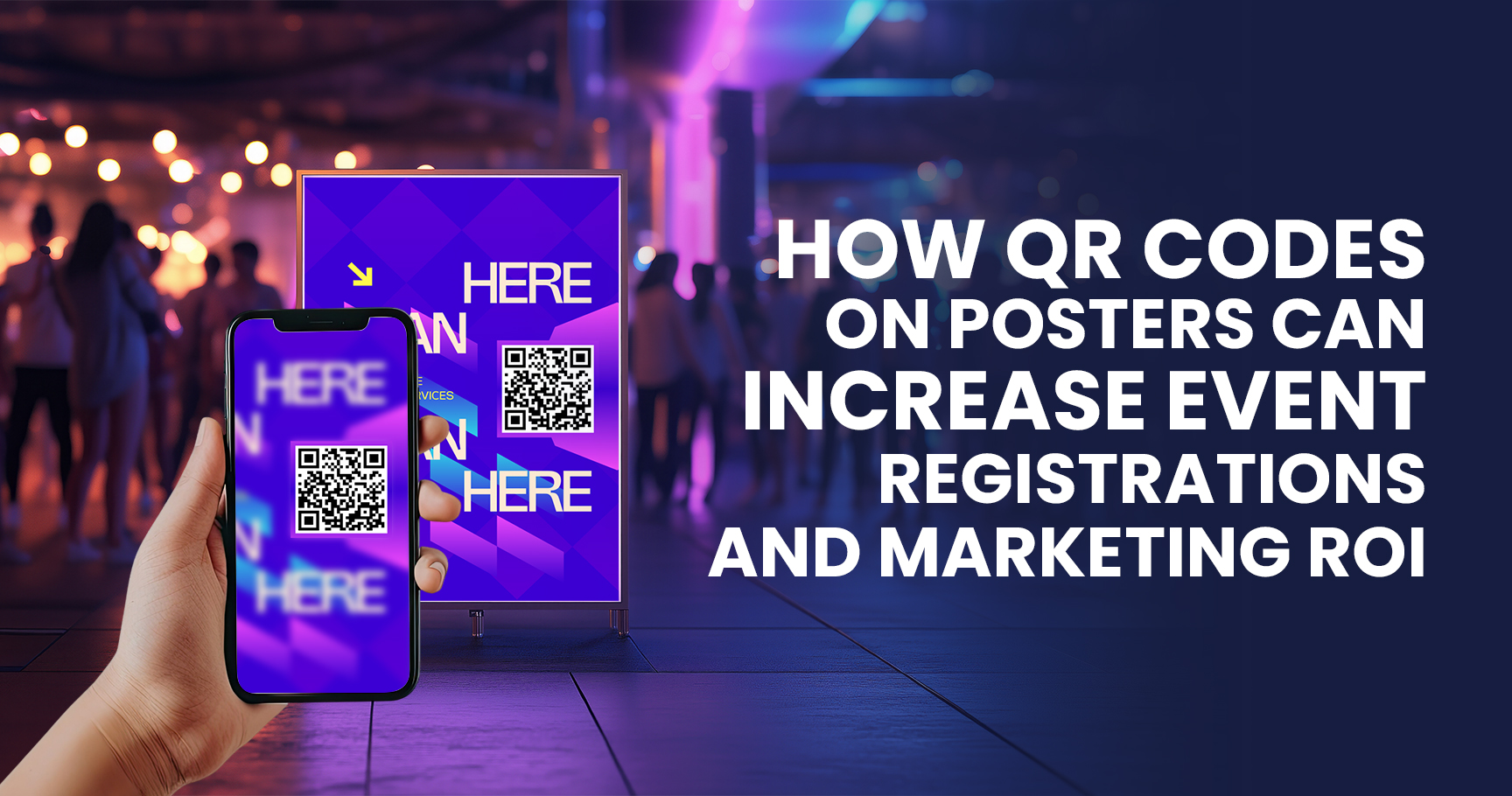
Events provide room for experimental visual design. AI art QR codes can appear on invitations, stage graphics, tickets, photo walls, menus, and promotional materials.
A creative code could direct attendees to registration information, schedules, speaker details, exclusive content, or post-event resources.
Hospitality and Travel
Hotels, restaurants, tourism businesses, and destination brands rely heavily on visual storytelling. An AI art QR code can reflect a location, cuisine, property, or seasonal experience while directing visitors to useful digital information.
A hotel could use destination-inspired artwork on a printed card and connect the code to local recommendations or an online concierge page.
How to Create an AI Art QR Code
Creating one involves more than asking an AI system to produce a QR-shaped image. The destination, creative direction, and scanning performance all need to work together.
Step 1: Decide What the QR Code Should Do
Start with the destination rather than the artwork. Decide whether the code should open a product page, campaign landing page, digital menu, event registration, or another useful destination.
Step 2: Choose an AI Art QR Code Generator
Choose a generator that combines QR creation with artistic customization while keeping the encoded structure central to the process.
The right tool should make it easier to develop a creative QR design without treating the underlying code as an ordinary decorative image.
Step 3: Define the Creative Direction
Think about the visual concept before generating the artwork. Consider your brand colors, campaign theme, audience, setting, and the emotion you want the design to create.
A clear direction usually produces a more purposeful result than a generic decorative request.
Step 4: Generate and Refine
Create the artwork and review how clearly the QR pattern remains visible within the composition. Avoid adding visual details simply because the generator can produce them.
Step 5: Test the QR Code
Scan the code using multiple phones and under realistic conditions. Test it from the distance and angle customers are likely to encounter in the campaign.
If the code is intended for print, test a physical sample at its final size. A design that works on a large monitor can behave differently when printed on packaging or signage.
Step 6: Publish and Monitor
Once the design passes testing, place it where the intended audience can easily notice and scan it. If your setup supports dynamic destinations and scan analytics, monitor performance after launch.
Design Principles for Better AI Art QR Codes
Creative freedom can make AI art QR codes more interesting, but it can also introduce problems. A few practical rules help keep the design useful.
- Protect the scannable structure. The artistic treatment should not make important QR elements impossible for scanners to distinguish.
- Keep sufficient contrast. Strong visual separation remains important for reliable scanning, especially when artwork contains multiple tones or textures.
- Avoid unnecessary complexity. More visual detail does not automatically make the design more creative. A focused concept can communicate better than a crowded composition.
- Match the campaign. The artwork should have a reason to look the way it does. Destination-inspired imagery makes more sense for travel than unrelated decoration.
- Test the final application. Evaluate the actual design where customers will encounter it, including print size, lighting, distance, and viewing angle.
How Dynamic QR Codes Add More Flexibility
The artwork and digital destination serve different purposes. A dynamic QR setup can therefore help campaigns that evolve over time.
A retailer could keep the same creative QR design on a seasonal display while updating the destination from an introductory offer to a product collection. An event organizer could move from registration information to a live schedule without replacing printed materials.
This becomes particularly useful when physical assets are expensive, long-lasting, or distributed across multiple locations.
Common Mistakes to Avoid
The biggest mistake is treating creativity as more important than functionality. A QR code that fails to scan has not solved the original business problem.
Businesses should also avoid excessive artwork, low-contrast combinations, skipped testing, or designs so abstract that customers cannot recognize them as scannable codes.
Another mistake is creating a visually impressive code without deciding where the scan should lead. The destination should provide a clear next step that matches the campaign and audience.
Wrapping Up: Turn a QR Code Into a Creative Touchpoint
AI art QR codes give businesses another way to turn a functional scan point into part of a larger visual experience. When the artwork supports the campaign rather than distracting from the code, the result can feel more distinctive and relevant.
Start with the customer journey, build the creative concept around it, and test the final QR code before launch. QRKY can help businesses create creative QR experiences that connect visual branding with useful digital destinations.
Frequently Asked Questions
Can AI art QR codes be used for commercial campaigns?
Yes. Businesses can use them across packaging, advertising, events, retail displays, and other branded materials. Always review licensing terms for generated artwork and confirm that incorporated logos, images, or third-party assets are cleared for commercial use before final online publication.
Do AI art QR codes work with regular phone cameras?
Yes, provided the finished design remains technically scannable. Standard camera apps generally recognize QR codes without requiring a special application. Test the code across several current devices, especially when artwork, unusual styling, or small print sizes are involved, before publishing.
Can I change the destination of an AI art QR code later?
That depends on how the QR code was created. With a dynamic QR setup, you can generally update the destination without changing the artwork or printed code. A static code normally requires generating and replacing the QR code across materials.
Are AI art QR codes suitable for small printed materials?
They can be, but size and visual complexity matter. Business cards, labels, and small packaging leave less room for scanning. Maintain sufficient contrast, create a clear design, and test the printed code at its actual final size before full production.
Should an AI art QR code include my company logo?
It can, particularly when the logo strengthens brand recognition. However, the logo should not obscure important QR elements or make the pattern difficult to read. Keep branding purposeful, then test the final design across multiple devices before publishing or printing.