
Education is becoming more connected, interactive, and technology-driven. College and university students expect instant access to learning materials, campus updates, assignments, and resources from their smartphones. At the same time, colleges and universities are looking for smarter ways to simplify communication while creating engaging learning experiences.
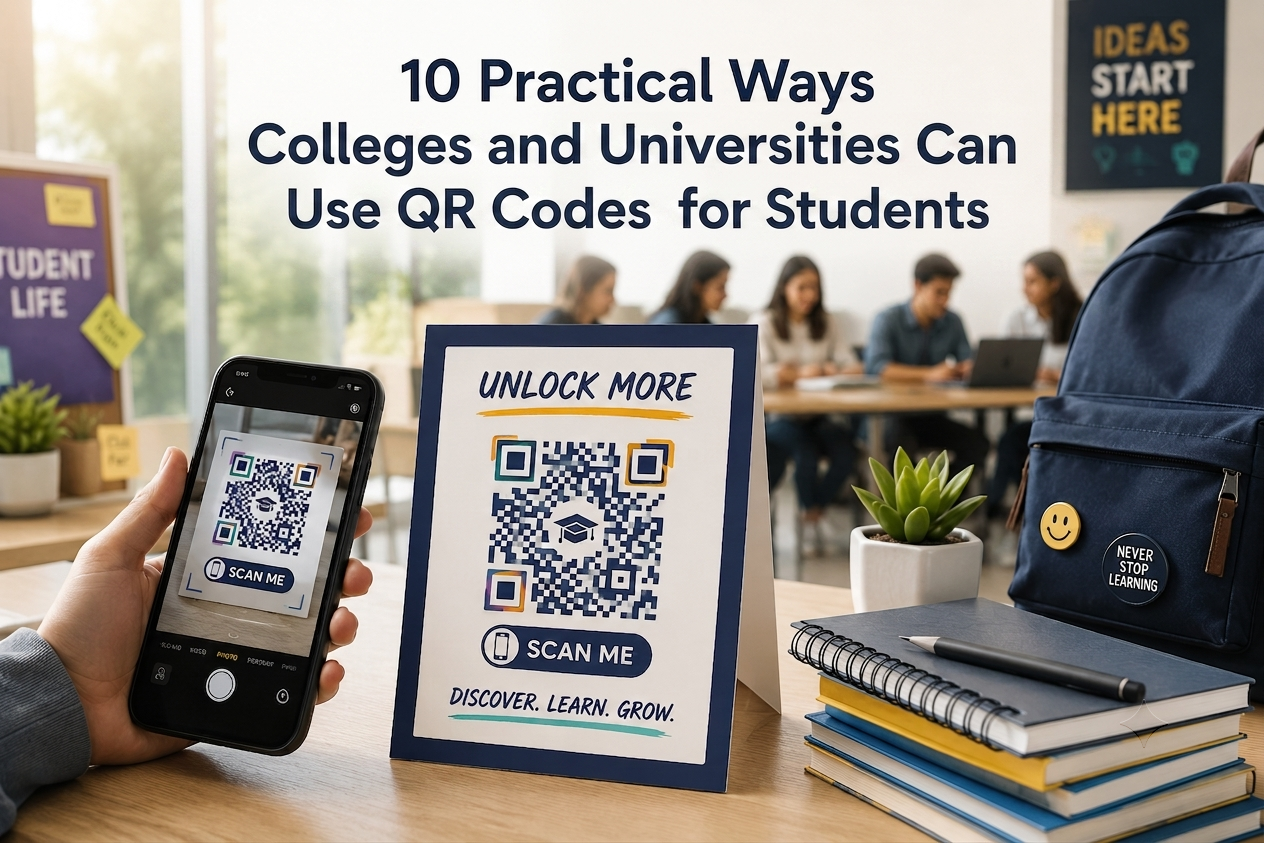
This is where a QR code for students becomes much more than a simple black-and-white square. It serves as a bridge between physical classrooms and digital resources, making information accessible with a quick scan. Whether it is sharing study materials, managing campus events, or improving navigation across university campuses, QR codes are transforming the way higher education institutions interact with students.
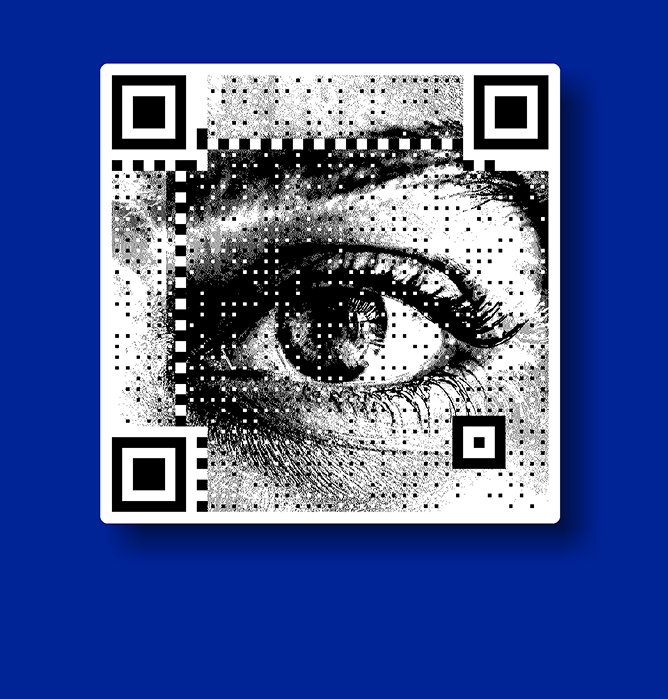
Modern platforms like QRKY take this a step further by transforming ordinary QR codes into QRKY QR experiences that are branded, interactive, and measurable. Every scannable QRKY QR helps colleges and universities create stronger digital engagement while maintaining a consistent visual identity across student interactions.
Why QR Codes Are Becoming Essential in Higher Education
Today’s college and university students rely heavily on mobile devices for learning. Instead of printing lengthy documents or sending multiple emails, professors and university administrators can use QR codes to provide instant access to relevant information.
The growing adoption of QR codes in higher education helps colleges and universities reduce paperwork, improve communication, and encourage digital learning without requiring complex technology. With a QRKY QR, institutions can also create visually branded QR experiences that students instantly recognize and trust, making every scan more engaging.
Let’s look at some practical ways colleges and universities can use them.
1. Share Digital Study Materials Instantly
Professors can place QR codes on classroom boards, printed handouts, or presentation slides that link directly to:
- Lecture slides
- PDF notes
- Recorded lectures
- Research papers
- Reference websites
Students simply scan the code to access learning materials anytime, eliminating the need to search through emails or messaging apps. A scannable QRKY QR can also reflect the institution’s branding, making learning resources look more professional while encouraging students to interact with digital content.
2. Simplify Student Attendance
Manual attendance often takes valuable classroom time. A QR code for students can make attendance faster by allowing students to scan a unique code when entering the classroom. The scan can automatically record attendance, reduce paperwork, and minimize human error.
For colleges and universities managing hundreds or even thousands of students across multiple departments, this can save hours every week. A dynamic QRKY QR code also allows administrators to update attendance workflows without replacing printed materials.
3. Create Smarter Student ID Cards
Traditional student ID cards only display basic information. Adding a QR code transforms them into digital identity cards that can securely connect to:
- Student profiles
- Library records
- Hostel information
- Emergency contacts
- Academic details
By integrating a QRKY QR code into student ID cards, colleges and universities can offer secure digital access while reinforcing their institutional branding across campus. The result is a smarter and more connected student experience.
4. Submit Assignments More Efficiently
Students often struggle to locate assignment portals or submission links. Professors can include QR codes in classroom presentations or printed worksheets that take students directly to:
- Assignment submission forms
- Google Classroom
- Learning management systems
- Project guidelines
This removes unnecessary steps and helps students submit work on time. A scannable QRKY QR also ensures students enjoy a smooth scanning experience from any smartphone.
5. Improve Campus Navigation
Large college and university campuses can be confusing for new students and visitors. QR codes placed around the campus can link to:
- Interactive campus maps
- Department locations
- Administrative offices
- Examination halls
- Parking information
Instead of asking for directions, students can quickly find where they need to go. Using a branded QRKY QR code also makes campus signage look modern and consistent with the institution’s identity.
6. Share Campus Event Information
Colleges and universities organize seminars, workshops, cultural festivals, sports competitions, alumni meets, career fairs, and guest lectures throughout the year. Rather than distributing multiple brochures, institutions can use QR codes on posters that provide:
- Event schedules
- Registration forms
- Speaker profiles
- Venue details
- Live updates
Instead of using generic QR codes on event posters, colleges and universities can use a scannable QRKY QR code that blends naturally with the overall design while remaining highly scannable. This creates a smoother experience while reducing printing costs.
7. Connect Students to Library Resources
University libraries now offer both physical and digital collections. QR codes attached to bookshelves or library notices can direct students to:
- E-books
- Journal databases
- Recommended reading lists
- Book availability
- Reservation systems
This encourages students to make better use of library resources. A QRKY QR code can also make these digital touchpoints visually engaging instead of looking like ordinary QR codes.
8. Collect Student Feedback
Student feedback helps colleges and universities improve teaching quality, campus facilities, student services, and academic programs. Instead of emailing lengthy surveys, institutions can display QR codes that open short feedback forms. Students are more likely to respond because scanning takes only a few seconds.
Colleges and universities can also monitor scan activity through QRKY’s analytics, allowing every QRKY QR to become a measurable engagement tool rather than just a link. This helps institutions understand which feedback campaigns receive the highest participation.
9. Support Admissions and Campus Tours
Prospective students often seek detailed information before choosing a college or university. Admissions teams can place QR codes on brochures, banners, newspaper advertisements, or education fair displays that lead directly to:
- Admission forms
- Course details
- Virtual campus tours
- Fee structures
- Scholarship information
A scannable QRKY QR code allows prospective students to access all the information they need instantly while giving colleges and universities a modern way to present their brand and measure engagement.
10. Make Learning More Interactive
Interactive learning keeps students engaged. Professors can add QR codes to presentations, worksheets, lab manuals, or classroom posters that link to:
- Educational videos
- Interactive quizzes
- Simulations
- Podcasts
- Practical demonstrations
Instead of passive reading, students actively explore additional learning resources with a simple scan. A QRKY QR code makes these interactions even more engaging through visually appealing and branded QR experiences.
Conclusion
A QR code for students is no longer just a convenience. It has become an effective way to improve communication, simplify campus operations, and create engaging learning experiences across colleges and universities.
From digital study materials and attendance management to campus navigation and interactive learning, QR codes help colleges and universities connect with students in ways that are faster, smarter, and more meaningful. They also reduce administrative effort while creating a more connected and technology-driven campus experience.
Transform Student Engagement with QRKY
QRKY helps colleges and universities move beyond ordinary QR codes by creating branded QRKY QR experiences that are visually appealing, interactive, and measurable. Whether you’re improving classroom learning, streamlining campus communication, or promoting university events, QRKY enables every scan to become a meaningful digital interaction backed by analytics and dynamic updates.
Start creating smarter QR experiences with QRKY today and make every student interaction faster, more engaging, and more impactful.
Frequently Asked Questions
1. What is a QR code for students?
A QR code for students is a scannable code that provides quick access to educational resources such as lecture notes, assignments, attendance systems, student ID services, library resources, and campus information.
2. How are QR codes useful for colleges and universities?
QR codes help colleges and universities simplify communication, reduce paperwork, improve classroom engagement, streamline administrative processes, and provide instant access to digital resources for students and faculty.
3. Can QR codes be used for student attendance?
Yes. Colleges and universities can use QR codes to record student attendance digitally, making the process faster, more accurate, and easier to manage for both faculty and administrators.
4. Are dynamic QR codes better than static QR codes for colleges and universities?
Yes. Dynamic QR codes allow institutions to update linked content without reprinting the QR code. Platforms like QRKY also provide scan analytics that help colleges and universities measure student engagement and improve communication strategies.
5. Why should colleges and universities choose QRKY instead of traditional QR codes?
QRKY enables colleges and universities to create branded, highly scannable QR experiences with AI-powered designs, dynamic content updates, scan analytics, and stronger student engagement. Instead of serving as simple links, QRKY QR codes become interactive and measurable digital touchpoints that enhance both learning and campus communication.