
Most people think of QR codes as binary: they either work or they do not. If they work, great. If they don’t, that means something is wrong with the data. While many may think this assumption is correct, it is not.
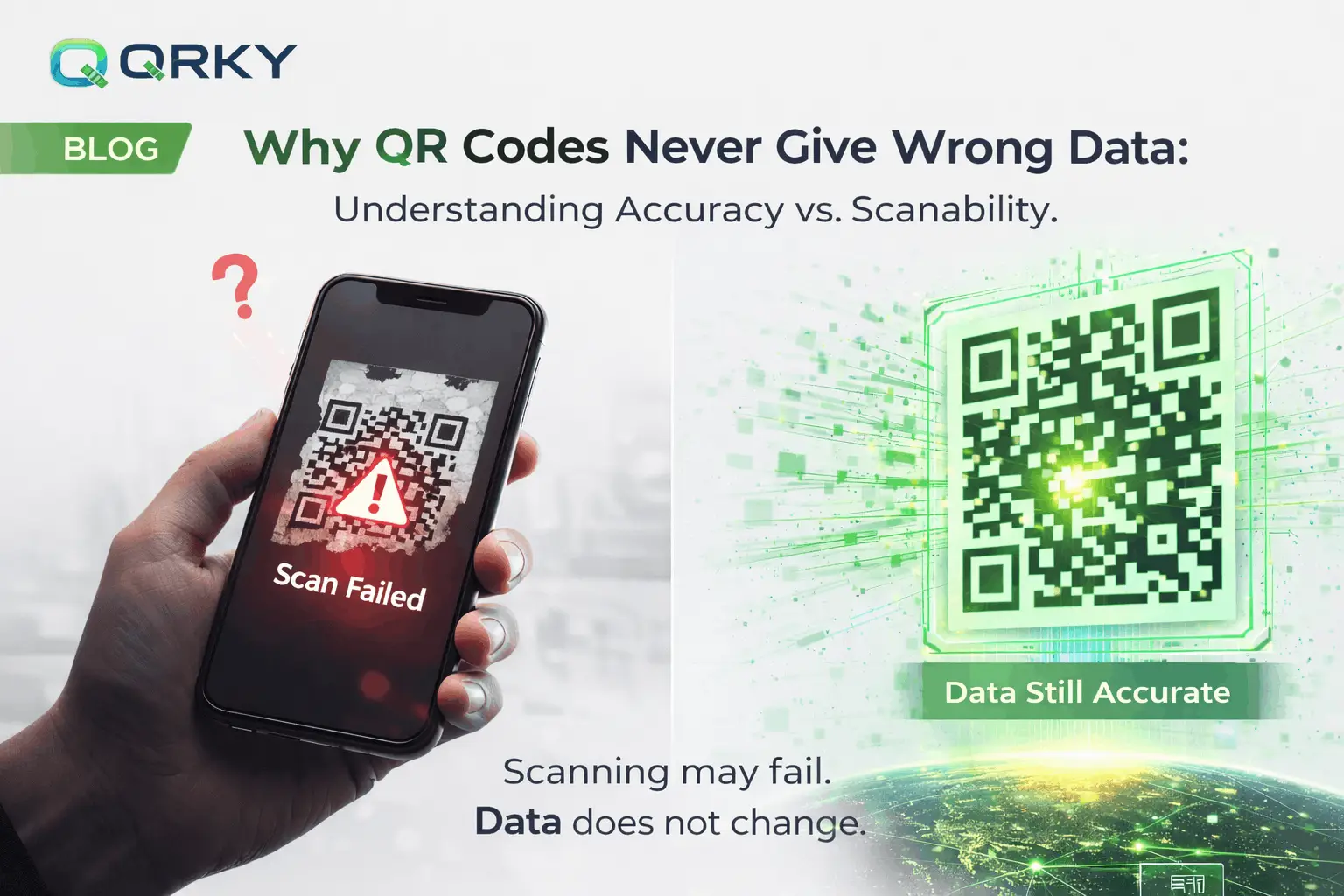
With a clear understanding of how QR codes work, one must avoid confusing data accuracy with scanability. It is entirely possible for a QR code to contain accurate data, but still fail a scan. With that understanding, we can see that QR codes can be much more reliable than they appear.
QR Codes are More than Just Images
Most people think the fault always lies with the scanning device or printer. Very rarely do people think the data could be wrong.
Most people also do not consider the possibility that the QR code data itself could be damaged. In fact, QR codes are designed primarily to protect data rather than display it. This is the most interesting part of how QR codes work.
Most people do not realize that a QR code is not just an image. It is far more complex than that. It is more like a structured data grid. The small squares that appear to be part of a simple image actually represent binary data in a matrix. The data is also arranged according to a unique set of rules.
What Makes QR Codes Unique
What makes QR codes unique is that the data is:
- Structured
- Self-checking
- Redundant
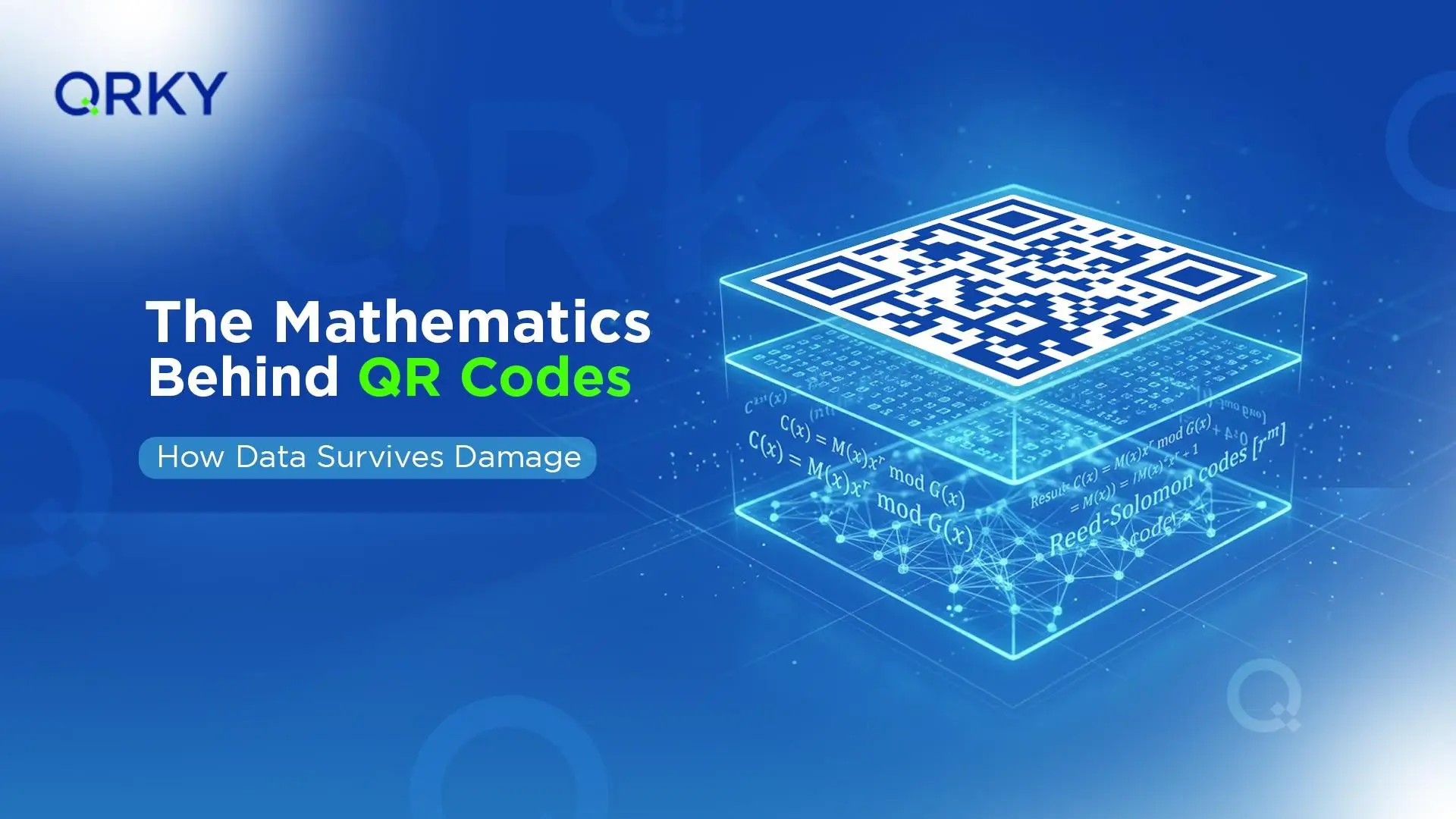
Redundant data means that the same information is stored in multiple ways in the QR code. This is a core principle behind QR code error correction. It means that even if a part of the code is missing or damaged, the data is likely still intact.
Why QR Codes Sometimes Fail to Scan
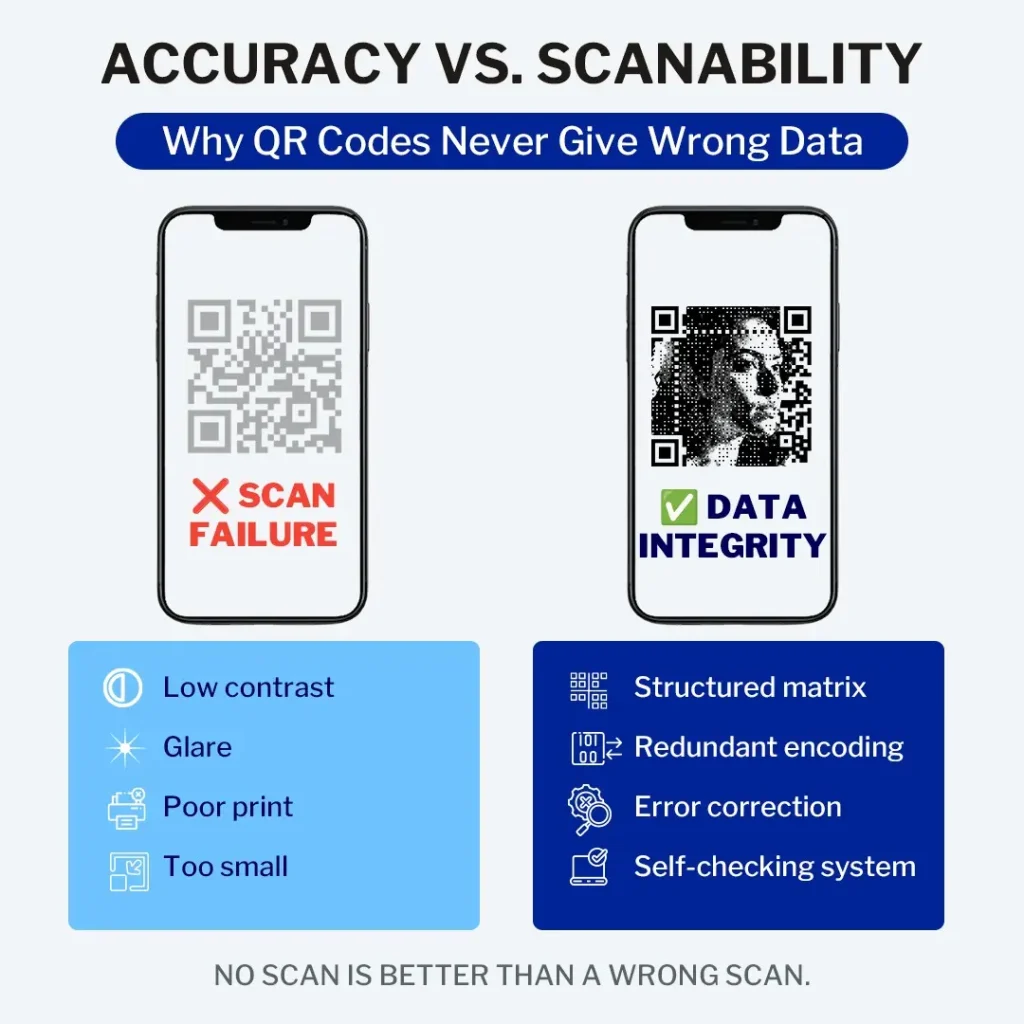
If the data is so safe, why do some QR codes fail to scan?
Most QR code scanning issues arise from physical or environmental factors, not corrupted data.
Examples of these issues are:
- Code and background with low contrast
- Changes to the design that break the structure
- Poor quality prints
- Glares and reflections
- Very small codes
In these situations, a scanner may not be able to read enough of a code to recreate its data using QR code error correction, and as a result, it stops scanning.
This is not a bug but a feature of the scanner, as QR scanners are supposed to stop rather than return partial or erroneous data.
A Failure to Scan Is a Safety Feature
People are often surprised by this.
A QR scanner that doesn’t scan is a design failure, not a bug; it’s a feature.
If a scanner is unsure of the data, it will not scan.
This avoids errors like:
- Leading to the wrong URL
- Broken redirects
- Data mismatches
In other words, this design principle, central to how QR codes work, ensures that no scan is better than a wrong scan.
The Importance for Brands and Businesses
Trust is everything for businesses.
When QR codes are on packaging, in payments, or part of a campaign, the code’s accuracy and speed are critical.
When QR codes are designed correctly and error correction is enabled, scanning becomes a reliable process that preserves data and the experience.
Data Failure vs. Design Failure
First, let’s understand what these terms mean.
Data Failure is looked at infrequently.
Most QR code scanning issues occur after the code is generated.
For example:
- Resizing issues
- Printing issues
- Background issues
- Design issues
All these issues are visible to the naked eye, so people may think there is something wrong at the data level, which is not the case.
One may be unable to scan; however, the data may actually be there. This distinction is fundamental to understanding how QR codes work.
Flexible Modern QR Codes
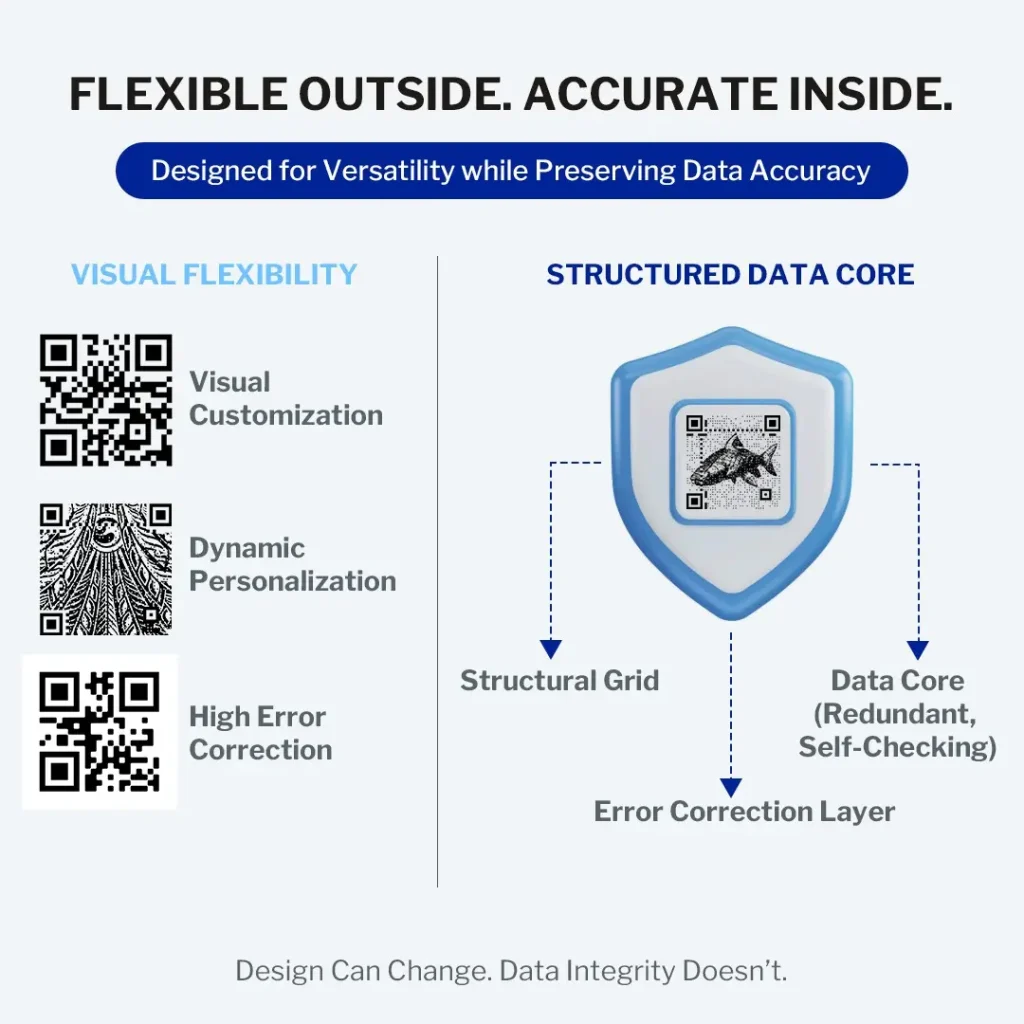
QR codes these days are designed with more flexibility in mind.
They allow for:
- Greater levels of QR code error correction
- Options for visual customization
- Dynamic personalization
Data will always be the centre of the QR code.
That’s why QR codes are trusted in:
- Payments
- Authentication
- Logistics
- Enterprise systems
They wouldn’t be used in these environments if they provided incorrect data.
Final Thought
When a QR code doesn’t scan, frustration mounts because it is generally assumed that something is wrong.
In this case, something went right.
The system protected the data instead of compromising it.
It’s not a weakness but rather sound engineering.
Want to Experience Reliable QR Codes in Action?
Ever wanted to see how good QR codes perform in real life?
Balance is the name of the game with QRKY’s QR codes: design, scanability, and guided by how QR codes work, the protection and integrity of your data.
With QRKY, enjoy a better, safer QR code experience.
FAQs
Do QR codes ever contain wrong or corrupted data?
QR codes are designed with structured, redundant, and self-checking data, so they rarely contain wrong information. Even if part of the code is damaged, error correction helps preserve the original data.
Why does a QR code fail to scan if the data is correct?
Most scanning failures happen due to design or environmental issues like low contrast, glare, small size, or poor printing quality—not because the data is incorrect.
What is the difference between QR code accuracy and scanability?
Accuracy refers to whether the encoded data is correct, while scanability depends on whether a scanner can visually read enough of the code to decode that data successfully.
Why do QR scanners sometimes refuse to scan a code?
Scanners are designed to avoid returning partial or incorrect data. If they cannot confidently decode the QR code, they simply stop scanning to prevent errors like wrong URLs or mismatched information.
How can I improve the scanability of my QR codes?
Use high contrast colors, avoid excessive design changes, ensure proper size, and print at high quality. These steps help scanners read the code correctly while maintaining data integrity.