
Here’s a quick test: Pull out your phone and scan any QR code nearby. A menu, maybe? A product label?
Now ask yourself what happens if that restaurant changes its menu tomorrow? What if that product gets discontinued next month?
If you are the business owner who created that code, you might be stuck. Or, you might have built in a way to adapt. That difference? It comes down to one crucial choice you probably didn’t know you were making.
Before you print your next batch of marketing materials, packaging, or promotional items with QR codes, there’s something you need to understand.
Not all QR codes are created equal, and the type of QR code generator you use often determines how flexible and reliable your codes will be. The decision between static vs dynamic QR code affects your flexibility, budget, ability to track performance, and how much control you’ll have down the road.
What is a Static QR Code?
A static QR code is a type of QR code that contains all the information it needs to function. This means that static QR codes are permanent, and the information they contain cannot be changed. If you want the information in a static QR code updated, you will have to create a new QR code. Static QR codes are a better choice when:
• You are certain that the information will never need to change.
• You want a quick, one-time solution
• You don’t want to be able to track your QR code.
Most basic QR code generator tools create static QR codes because they are free to produce and simple to use. However, with all that simplicity comes many restrictions, especially when compared in a static vs dynamic QR code scenario.
What is a Dynamic QR Code?
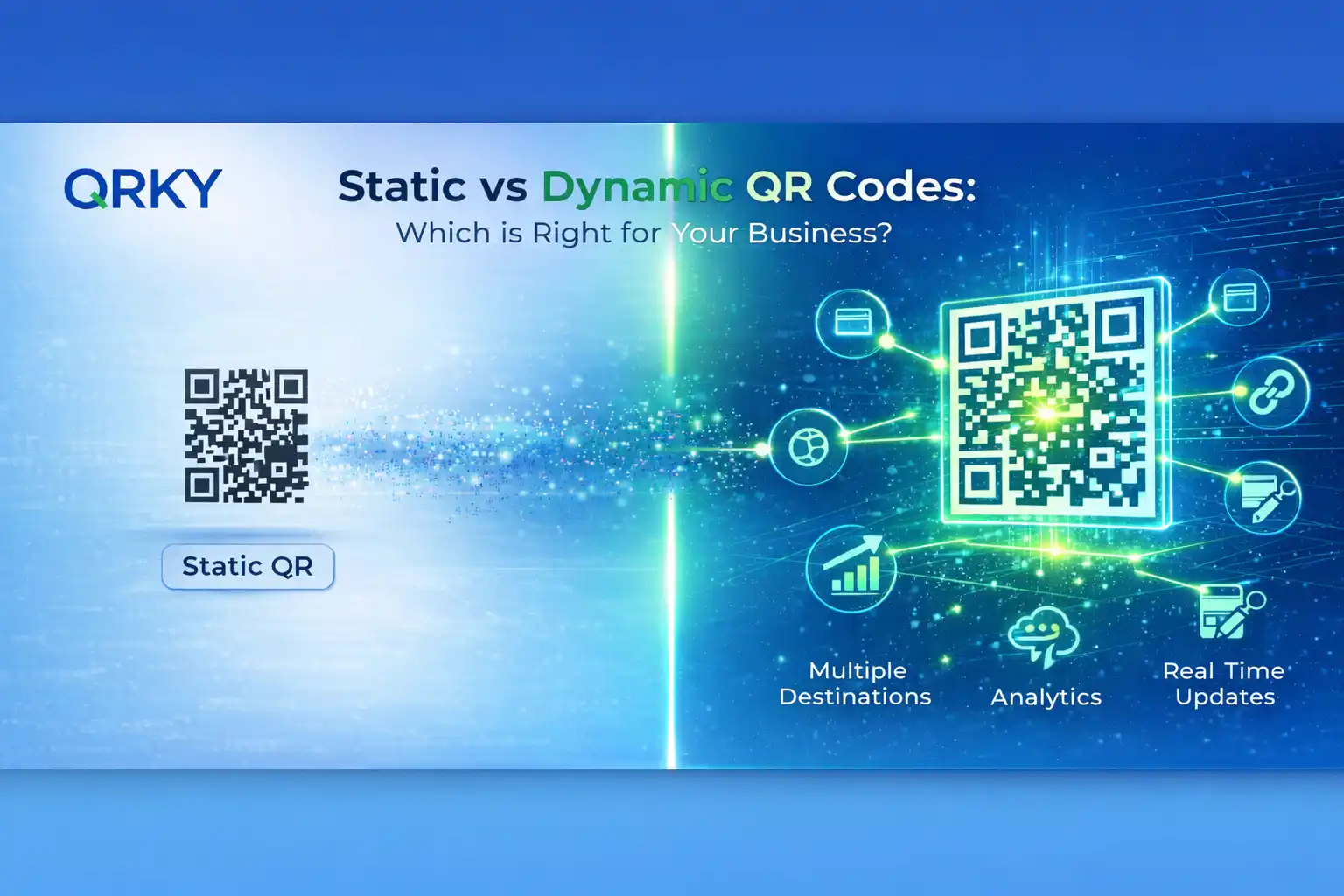
Dynamic QR codes differ from static QR codes in that they do not contain the information they link to. Instead, a dynamic QR code links to a short redirect URL that you can change at any time. This is one of the reasons dynamic QR codes are often called editable QR codes.
The advantages of dynamic QR codes include:
– Changing QR code destinations without needing to reprint.
– Manage campaigns in the future.
– Analyze tracking behaviors.
Using dynamic QR codes means businesses must use a dynamic QR code generator rather than a simple QR code tool.
The Core Difference Explained Simply
The real difference between static and dynamic QR codes lies in how they operate.
Static QR codes are fixed in place, while dynamic QR codes are adaptable.
Once a static QR code is printed, nothing else can happen. A dynamic QR code can change once it is printed.
That difference means way more than what most teams think.
Cost: Free vs Long-Term Value
Static QR codes are usually available at no charge, while dynamic QR codes usually charge.
Initially, static QR codes appear to cost less. However, the expenses can be greater because:
– Materials have to be reprinted when the link changes
– When the content that is linked is outdated, opportunities are lost.
– There is no insight when static QR codes don’t perform.
Dynamic QR codes perform better because, even though they do cost more, they can be changed.
Flexibility in Real-World Use
Business needs are often changing, and static QR codes mean that when everything changes, the process has to start over.
Dynamic codes allow users to:
• Change links at any time
• Direct end users to different locations
• Alter directions without having to redesign everything
All of the above options are good ways to engage a customer who is receiving your advertisement, product packaging, or marketing materials.
Tracking and Insights
The blindness of a static QR code means that you can’t figure any of the following out:
• How many times the QR code was scanned
• When the QR code was scanned
• What is working and what is not
Dynamic QR codes allow you to understand how users interact with a QR code, providing better measurability to what would otherwise be a blind link.
When Static QR Codes Still Make Sense
Static QR Codes are useful when the following is true:
• the use case is internal
• the use case is permanent
• The use case requires no tracking
Static code analysis works best in simple scenarios, but it’s imperative to recognize its limitations.
When Dynamic QR Codes are Best
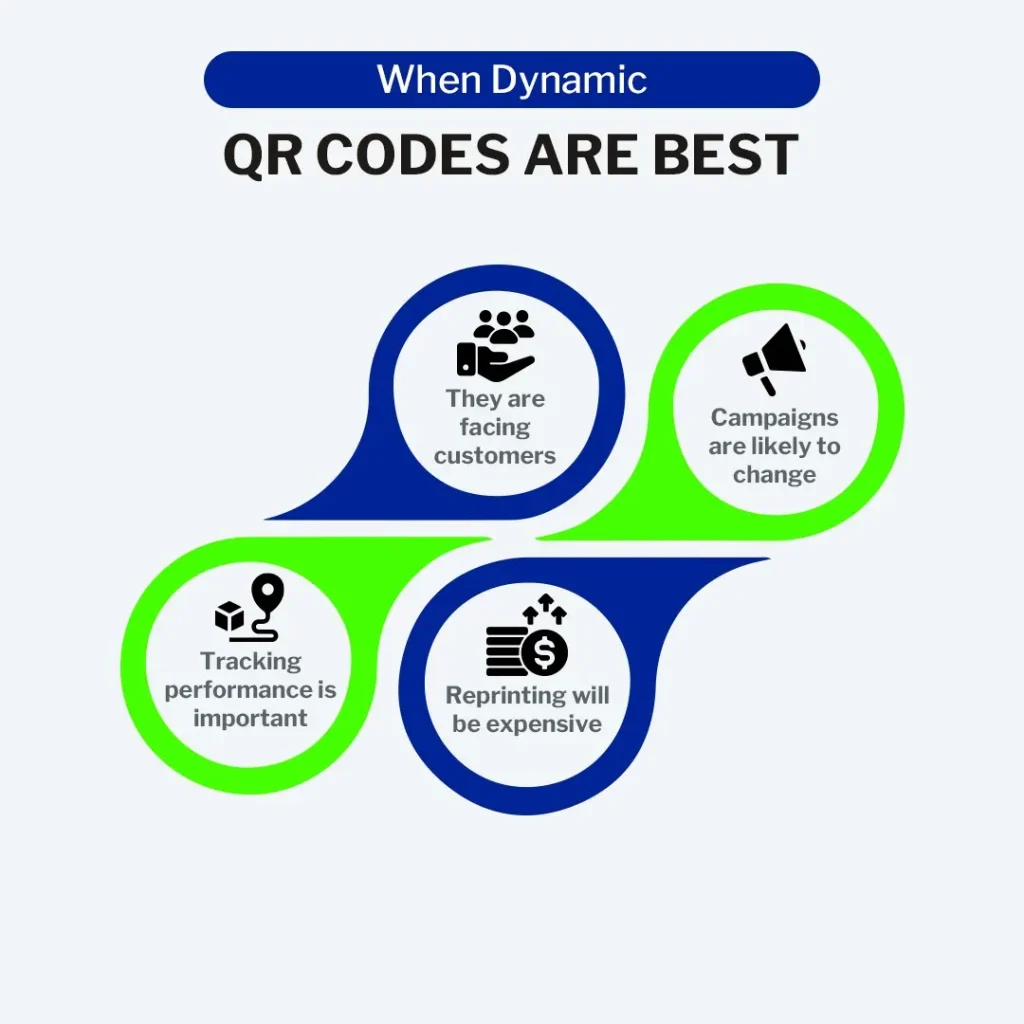
Dynamic QR Codes are best when:
• They are facing customers
• Campaigns are likely to change
• Tracking performance is important
• Reprinting will be expensive
In these situations, the added flexibility is more valuable than the added cost.
Making the Right Choice for Your Business
Choosing between dynamic and static QR codes is not a question of features. It is a question of intent.
Consider the following questions:
• Will this content change?
• Do I need insights?
• What if something goes wrong?
If control and flexibility are priorities, dynamic QR codes are the best option.
Final Thoughts
Static QR Codes are simple. Dynamic QR Codes are versatile.
As part of a long-term digital strategy, QR codes will require flexibility.
If your QR codes will be part of customer journeys, evolving campaigns, or content that changes often, flexibility is vital.
QRKY goes beyond a typical QR code generator, empowering businesses to create editable QR codes that change without reprinting and guesswork.
With built-in insights and reliable performance, QRKY turns QR codes into manageable digital assets.
If you are choosing between static vs dynamic QR codes, QRKY makes the better option simple.
FAQs
1. What is the difference between a static QR code and a dynamic QR code?
The main difference between static and dynamic QR codes is flexibility. Static QR codes store information directly in the code and cannot be changed, while dynamic QR codes use a redirect link that allows the destination to be edited later.
2. When should businesses use static QR codes?
Static QR codes are suitable for simple, permanent use cases where the information will never change. They work well for internal processes, fixed documentation links, or one-time uses where tracking and analytics are not required.
3. Why are dynamic QR codes better for marketing campaigns?
Dynamic QR codes allow businesses to change links, update campaigns, and track user engagement without reprinting materials. This flexibility helps marketers test different strategies and improve campaign performance over time.
4. Can you track scans with static QR codes?
No, static QR codes generally do not provide scan tracking or analytics. To monitor how many people scan a code, when they scan it, and how they interact with it, businesses need to use dynamic QR codes.
5. Which QR code solution is best for scalable business use?
For businesses managing campaigns, packaging, or customer journeys, dynamic QR solutions are more practical. Platforms like QRKY allow companies to create editable QR codes, update destinations, and gain insights from scan data without reprinting codes.