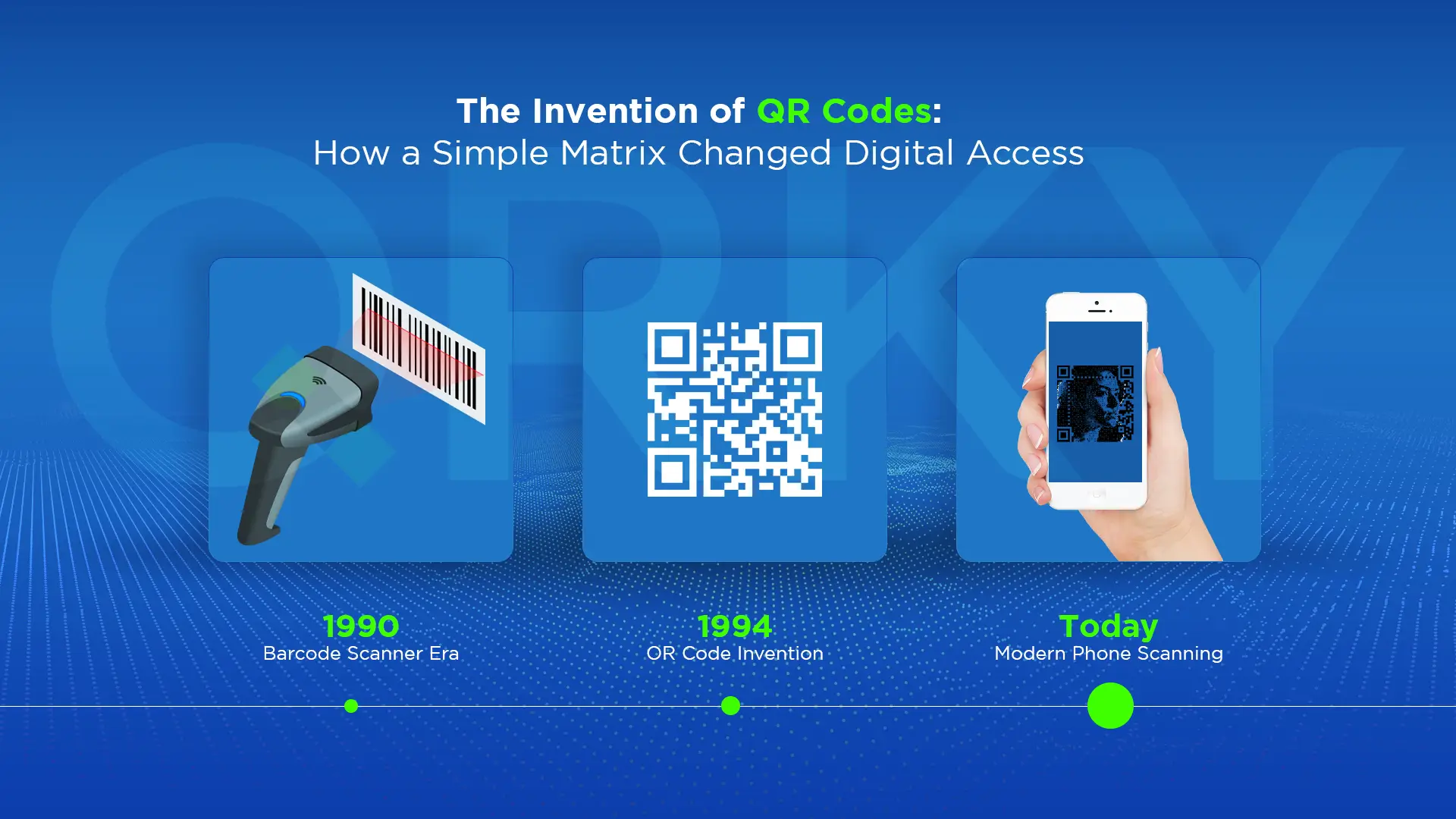

Look back a couple of years, and you will see a time when QR codes were described as shortcuts. Now, in 2026, that is an era that is no longer relevant. A one-dimensional experience is no longer relevant.
Presently, QR code marketing is about immersion, where the QR code for branding becomes a gateway to deeper brand experiences. Brands are no longer using QR codes to direct to webpages. Currently, they are using them for portals for experiences, journeys, and measurable engagement ecosystems.
The change is subtle, but it is profoundly powerful. The offline experience for users is no longer just about directing them to a marketing page.
The experience is ultimately about building brand growth.
The Shift in QR Code Marketing: Journeys vs. Navigation
The first wave of QR adoption was all about utility. Restaurants needed to replace printed menus. Retailers needed to link products. Events needed a quick check-in with QR codes on tickets.
More advanced brands understood something more. Every scan is a point of intent. A user’s decision to scan is driven by engagement and curiosity.
That understanding shifted QR marketing campaigns away from navigation and into storytelling. Now more than ever, brands are more focused on the point of the scan than the click.
Luxury retailers have behind-the-scenes design stories that are unlocked through QR codes on their packaging.
Nike, like many other sporting brands, uses the apparel tag system to create a personalized journey with each athlete when the athlete purchases items.
Starbucks loyalty programs incentivize real-life interactions to create a digital relationship through QR code scannables.
The code stayed the same. Only the mindset changed.
Interactive QR Codes: Linking Physical and Digital Worlds
Interactive QR codes have the potential to shift how brands interact with their customers by linking the physical world to the digital.
In 2026, static landing pages will not be the cutting edge of marketing.
Brands are quickly adopting contextually relevant interactive QR codes.
Modern Interactive QR codes can do so much more than previously defined static actions.
From Campaign Metrics to Customer Behavior
This shifts marketing from campaign metrics to actual customer behavior.
Offline marketing has struggled with measuring the impact of its marketing because traditional print ads, billboards, and sponsored events do not provide measurable data.
Modern QR code marketing solves the digital data gap.
Every scan now produces signals:
- Location of the customer
- Time of engagement
- Device used
- Content viewed
- Duration of stay
- Conversion status
For CFOs and marketing leaders, this signifies: We can finally tie offline spending to measurable ROI.
It is no longer a guessing game to determine the impact of a campaign. Leadership teams can analyze engagement patterns, refine their placements, and identify which physical touchpoints elicit digital responses.
In an attribution-obsessed landscape, QR codes link the final untapped area.
Traits of the Best QR Marketing Campaigns in 2026
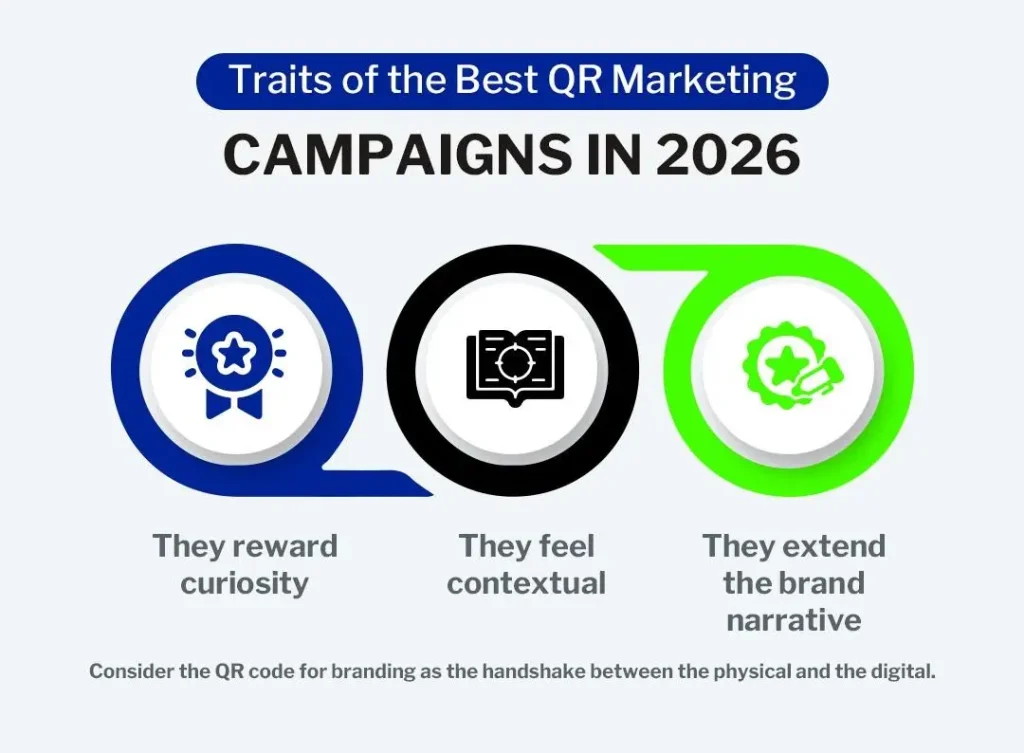
They reward curiosity.
They invite users to unlock something of value, be it exclusive content, early access, or valuable insights.
They feel contextual.
They experience the same match where the scan occurs, be it in the store, on the package, at the event, or outdoors.
They extend the brand narrative.
They add to the story by not repeating the ads.
Consider the QR code for branding as the handshake between the physical and the digital.
If the handshake leads nowhere, trust is lost. If it leads to a journey, loyalty is gained.
Strategic Use of QR Codes in Brand Ecosystems
In innovative companies, QR no longer serves as a temporary campaign tool. It instead serves as a layer of infrastructure.
- The marketing team uses QR codes to bridge the gap between offline and online marketing funnels.
- The sales team uses QR codes to eliminate steps in the buyer’s journey.
- The product team uses QR codes in packaging to educate and onboard customers.
- The customer success team uses QR codes to provide instant support.
- The QR code for branding acts as a silent interface throughout the entire ecosystem of the brand.
Leadership discussions around the use of QR codes have changed. It is no longer a question of “Should we use QR codes?”
The question is “How much can we use them?”
What Brands in 2026 Understand That Others Don’t
Winning brands understand that the future of QR code marketing is not about visuals, but about behavior.
Successful brands do not see QR codes as design elements.
Instead, they see them as gateways to valuable data.
The true value of a brand’s scan is not the click, but the insight gained.
When personalized stories and analytics, QR code strategies shift marketing from monologue to dialogue.
Modern brands, not impressions, build conversations.
Final Thought: The Scan is Just the Beginning
In 2026, the use of QR codes will no longer prioritize simplicity. They will prioritize connection.
Every scan presents an opportunity to share a story.
Every engagement can help create potential trust.
Every data point creates potential strategy refinement.
Brands that see QR codes as links will see small improvements. Brands that see them as experiences will see big improvements. The square hasn’t changed, butwhat’st behind it has.
FAQs:
1. What is the future of QR code marketing beyond simple scans?
The future of QR code marketing focuses on creating immersive brand experiences rather than just directing users to a webpage. Modern QR strategies connect physical touchpoints with digital journeys, enabling brands to deliver interactive content, personalized engagement, and measurable insights.
2. How do interactive QR codes improve customer engagement?
Interactive QR codes allow brands to connect physical products, packaging, events, and stores to dynamic digital experiences. They can unlock videos, product stories, loyalty programs, or exclusive content, transforming a simple scan into a meaningful brand interaction.
3. Why are QR codes becoming important for brand storytelling?
QR codes enable brands to extend their narrative beyond advertisements. By linking physical marketing assets to digital content such as behind-the-scenes stories, product origins, or exclusive experiences, brands can deepen emotional connections with customers.
4. How do QR codes help businesses measure offline marketing performance?
Modern QR code platforms provide analytics such as scan location, time of engagement, device type, and conversion behavior. These insights allow businesses to connect offline campaigns with digital results and evaluate the true impact of physical marketing efforts.
5. How can businesses integrate QR codes into their brand ecosystem?
Businesses can integrate QR codes across packaging, retail displays, events, marketing campaigns, and customer support materials. When connected with analytics platforms like QRKY, they help organizations track engagement, optimize campaigns, and create consistent offline-to-online experiences.