
A quick search for a QR code generator gives you endless options, with most tools offering the same basic functionality.
Generate a QR code.
Download it.
Use it anywhere.
And for simple needs, that might be enough.
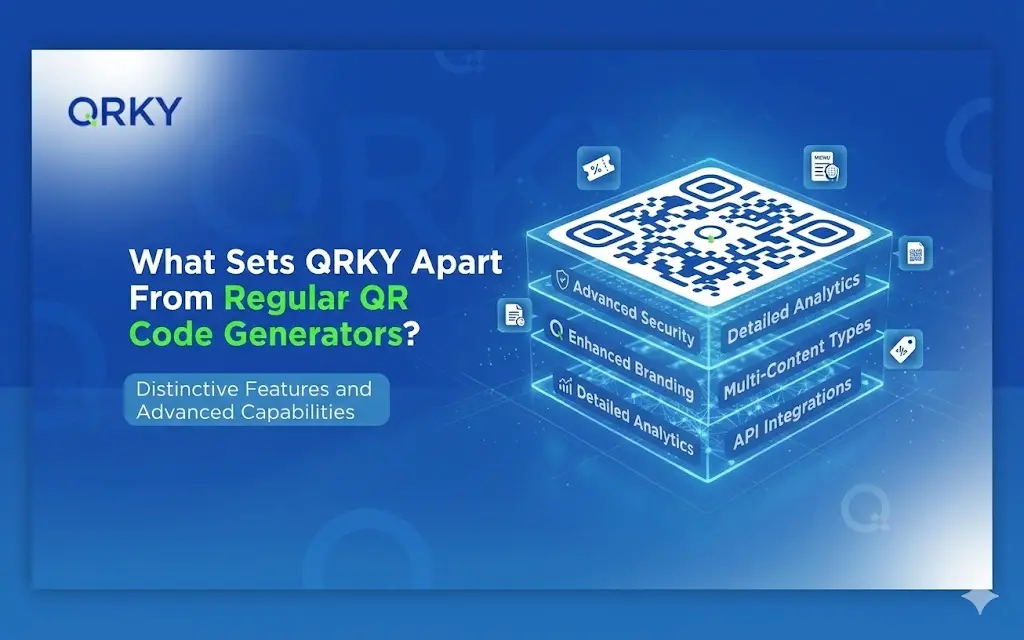
But when QR codes become part of your marketing, operations, or customer experience, the gaps start to show. This is where the difference between a basic QR code generator and a platform like QRKY becomes clear.
What Traditional Code Generators Do Well?
A traditional QR code generator usually does the same thing: turn a link or a piece of text into a scannable code. Turn a link or a piece of text into a QR code.
This is perfect if you meet the following conditions:
- You only need the QR Code once
- The QR code destination is fixed
- You do not need any analytics or to maintain control over the code
Most basic QR code generators stop there and do nothing more. That is not the case for most users.
Where Traditional Generators Do Not Meet Customers’ Expectations
Most of the time, code generators do not provide customers with any analytics, a way to change the code destination, design flexibility, or enterprise-level reliability.
That is the biggest issue.
QRKY approaches QR codes differently from most code generators.
QRKY has a different focus than its competitors. While its competitors may ask, “How do we generate QR Codes?” QRKY asks, “What happens after someone scans it?” This focus redesigns everything.
QRKY focuses on:
- User interaction
- What happens next
- How we measure everything
Ultimately, a QR code is an entry point.
Customization that Goes Beyond Appearance
Many platforms market themselves as a custom QR code generator. However, true customization only means things like changing a code’s colours, modifying shapes, or uploading logos.
QRKY facilitates customization that matters more. To be more precise, it designs “intelligent” QR Codes that serve a variety of destinations, user journeys, and context-dependent experiences.
While some graphical QR code generators focus on the visuals of a code, QRKY focuses on its meaning. Each code is designed with error tolerance, real-world scanning conditions, and brand considerations. This results in QR codes that are expressive, visually creative, and consistent.
Static vs Dynamic: A Fundamental Shift
Most standard QR code generator types are static. Once printed, their contents are locked forever. With QRKY, teams are no longer limited to static codes. In fact, they bring on a dynamic QR experience.
QR codes can now be redirected to different endpoints and repurposed for various campaigns. This gives teammates more freedom when sending codes.
Analytics that Matter
Most QR convention creators provide no information on the consequences of scanning.
QRKY provides scan consequences.
With QRKY, you gain clear visibility into key scan data, including:
- Scan activity
- Usage patterns
- Engagement trends
These completions enable marketers to adjust the campaign and help companies understand their target audience’s behaviour.
QR codes end guesswork and become measurable assets.
Built for Scale, Not Just Single Use
Most QR tools are designed for single, isolated use cases.
QRKY is built for teams and growing businesses that need scalability, consistency, and long-term control.
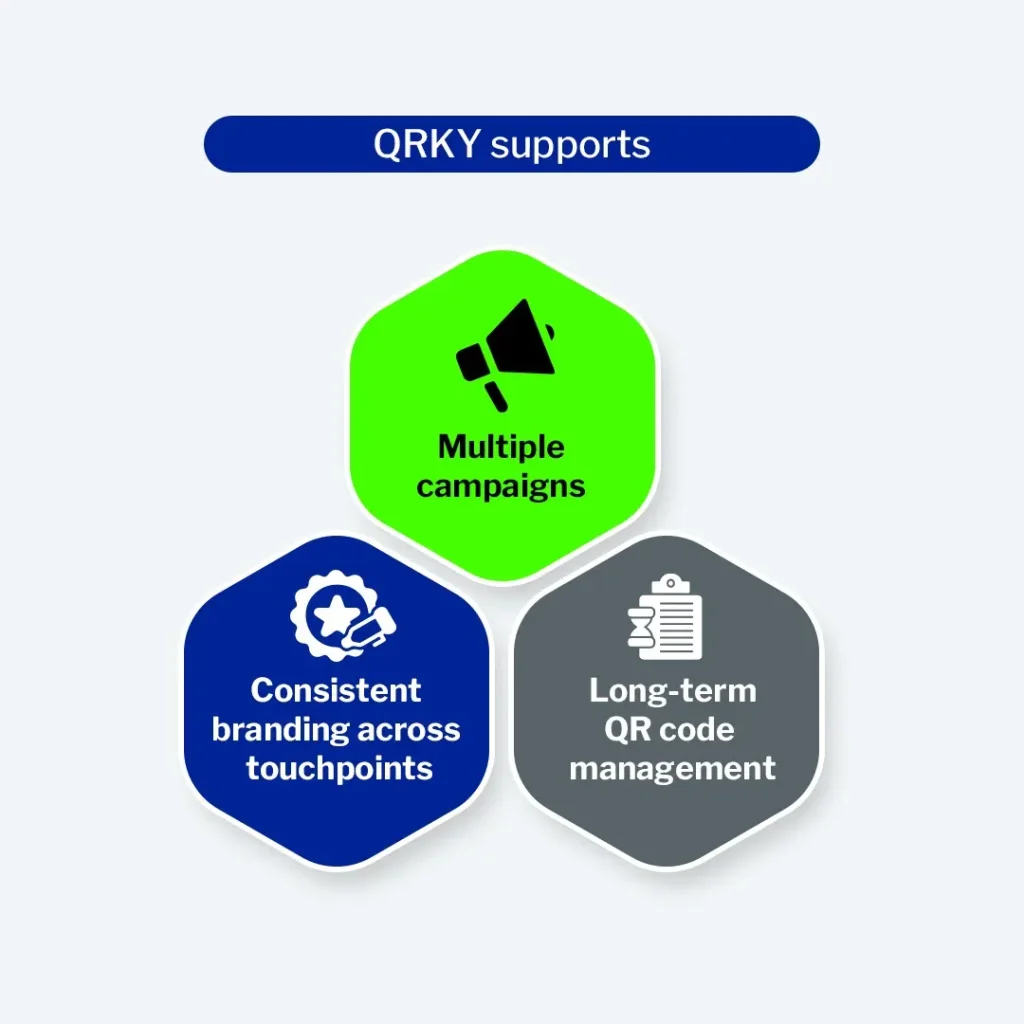
QRKY supports:
- Multiple campaigns
- Consistent branding across touchpoints
- Long-term QR code management
This makes QRKY ideal for ongoing digital strategies, where QR codes are not one-time tools but durable assets that evolve with business needs.
Reliability is a Design Principle
Reliably makes the most sense.
From scan performance to data integrity, the platform is designed to behave predictably in real conditions. This matters most when QR codes are used in customer journeys, packaging, or operational workflows.
So, if you have to simplify the real difference, here it is:
Old digital QR creators only ask:
‘Can I have a QR code?’
QRKY says:
‘How could the QR code improve?’
This changes everything.
Final Thoughts
QR codes are now more than shortcuts. They serve as access points and, most importantly, a means of engagement. Picking the right QR code generator can be the difference between static moments and strategic ones.
If all you use QR codes for generating links, you are missing out. QRKY helps businesses turn QR codes into smart digital touchpoints through a design-led approach that combines dynamic control and analytics.
If you are looking for flexibility, performance insights, or a more intelligent alternative to a standard custom QR code generator, QRKY is built to exceed expectations.
So, let’s connect and help you discover how QRKY empowers you to optimize the potential of each scan.
FAQs
1. How is QRKY different from a regular QR code generator?
Unlike traditional tools that simply create a QR code image, QRKY focuses on what happens after the scan. It provides dynamic QR codes, analytics, and long-term management features that help businesses track engagement and optimize customer interactions.
2. What are dynamic QR codes, and why are they important?
Dynamic QR codes allow businesses to change the destination of a QR code even after it has been printed or distributed. This flexibility makes them ideal for marketing campaigns, product packaging, and evolving customer journeys without requiring reprints.
3. Why are analytics important for QR code campaigns?
Analytics help businesses understand how people interact with QR codes by showing scan activity, usage patterns, and engagement trends. These insights enable marketers to measure campaign performance and make informed decisions to improve results.
4. Can QR codes be customized for branding?
Yes, modern QR platforms allow customization through colors, shapes, and logos. Advanced solutions like QRKY go further by designing QR codes that support dynamic destinations, contextual experiences, and brand-consistent interactions across multiple campaigns.
5. Who should use advanced QR code platforms like QRKY?
Advanced QR platforms are ideal for businesses that rely on QR codes for marketing, customer engagement, packaging, payments, or operations. They provide greater control, performance insights, and scalability compared to basic one-time QR code generators.